
Ancient food preservation methods have helped humanity survive for thousands of years, providing reliable ways to store food without modern electricity. Long before the era of industrial refrigeration and freezers, families relied on these traditional techniques to keep their seasonal harvests fresh, safe, and nutrient-dense for months on end. Today, mastering these time-tested skills is more than just a nod to history; it is a practical strategy for self-sufficiency, food security, and reducing waste in your modern kitchen.
Understanding the “Storage Crop” Mindset
Before diving into specific techniques, it is essential to understand the mindset required for successful storage. Not every vegetable is a “storage crop.” While summer squash and leafy greens are delicious, they are meant to be eaten immediately. Storage crops, by contrast, are physiologically designed to enter a state of dormancy.
The goal of your storage strategy is to keep the crop alive but dormant, slowing down respiration and metabolic activity. If you keep the environment too warm, the crop will continue to “breathe” and consume its own sugars, leading to flavor loss and rot. If it is too cold or damp, you invite mold and structural breakdown.
1. Winter Squash: The Art of Curing
Winter squash—including butternut, acorn, and pumpkins—are among the most reliable storage crops if handled correctly.
The Curing Process
Curing is non-negotiable. After harvesting, leave your squash in a warm, dry place (ideally between 75°F and 85°F) with good airflow for about 10 to 14 days. This process hardens the skin (the rind) and heals any minor scratches or stems. A tough rind is your best defense against pathogens.
Long-Term Storage
Once cured, move your squash to a location that is cool, dry, and dark. Unlike root vegetables, squash prefers lower humidity. Aim for 50°F to 60°F. If the temperature drops too low, the squash may develop “chilling injury,” which ruins the texture. Store them in single layers, not stacked, to prevent the spread of decay.
2. Root Vegetables: Maintaining Humidity
Root vegetables, including carrots, beets, and potatoes, require a completely different approach. They want high humidity (90%+) and cold temperatures (near 32°F to 40°F).
Storage Methods
-
Sand or Sawdust Packing: For carrots and beets, packing them in slightly damp sand, sawdust, or even peat moss in a bin creates an ideal, humid environment while preventing the vegetables from touching each other. This mimics their natural state in the soil and prevents wilting.
-
Root Cellaring: If you have a dedicated root cellar, you are already ahead of the game. For those without, an unheated garage, basement corner, or even a buried cooler can serve as an effective “micro-cellar.”
-
Potatoes: Keep these away from light at all costs. Light exposure causes greening (solanine production), which is toxic. Potatoes also dislike being stored next to apples, which release ethylene gas and cause premature sprouting.
3. Sweet Potatoes: High Heat, High Humidity
A common mistake is storing sweet potatoes exactly like regular potatoes. Sweet potatoes are tropical plants; they despise the cold.
They require a “curing” period that is much longer than winter squash—often 14 days in high heat (85°F+) and very high humidity. Once cured, store them at 55°F to 60°F. If you put your sweet potatoes in a cold basement or refrigerator, they will undergo internal breakdown and likely rot within a month.
4. The Basics of Dry Bean Storage
Dry beans are arguably the easiest storage crop. Once the pods are dry on the vine and the beans rattle inside, harvest them and finish the drying process indoors in a mesh bag or open tray.
Ensuring Longevity
-
Dehydration: Ensure they are “glass hard.” If you can dent a bean with your fingernail, it still contains too much moisture.
-
Pest Control: The greatest threat to stored beans is the bean weevil. To guarantee a pest-free supply, place your finished, dried beans in the freezer for 48 to 72 hours. This kills any hidden weevil eggs.
-
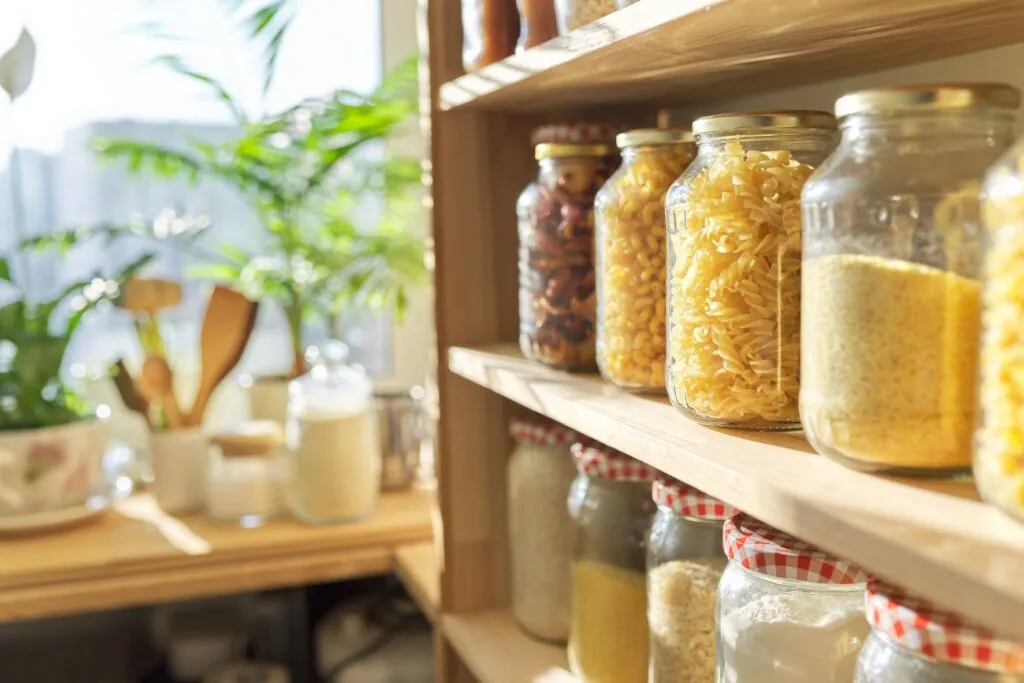
Sealing: Once frozen and thawed, store them in airtight containers (glass jars are ideal) in a cool, dark pantry.
5. Storing Cabbage: The Vertical Advantage
Cabbage can be stored for months if you keep the outer leaves intact.
Professional Techniques
In traditional root cellaring, cabbage is often hung by the roots. If you don’t have that option, place the heads in a well-ventilated crate or shelf. The goal is to avoid bruising. If the outer leaves start to wilt or get slimy, simply peel them off. The inner head will remain crisp. Keeping the humidity high is key, as dry air will cause the cabbage to dehydrate rapidly.
Building Your Own “Pantry Infrastructure”
Storage isn’t just about the crops; it’s about the systems you build. Here are a few professional-grade infrastructure tips:
Airflow is Critical
Stagnant air is the primary catalyst for rot. No matter where you store your food, prioritize airflow. Avoid putting crops in plastic bags unless they are specifically designed for vegetable storage (like perforated bags). Natural materials like wood crates, mesh bags, and cardboard allow for consistent respiration.
Categorization and Inspection
Adopt a “First In, First Out” system. Check your storage containers weekly. If you find one rotting carrot in a bin, it can quickly spoil the entire batch. Consistent monitoring is the difference between a successful winter supply and a wasted harvest.
Temperature and Humidity Zones
Not every room in your house has the same climate. Identify your “micro-climates”:
-
Warm/Dry: Kitchen cabinets (good for onions or dried goods).
-
Cool/Dry: Unheated pantry or closet (good for squash).
-
Cold/Humid: Basement or root cellar (good for carrots and beets).
Conclusion: The Satisfaction of Self-Sufficiency
There is a profound sense of satisfaction in opening your pantry in the middle of winter and knowing that the food you are eating was grown, harvested, and preserved by your own hands. By understanding the specific biological needs of each storage crop—whether they need the cold of a root cellar or the warmth of a cured room—you can extend your harvest for months.
Remember, the goal isn’t just to harvest; it’s to steward. Take the time to set up these simple systems now, and your future self will thank you when the snow begins to fall.