
Ancient food preservation methods have helped humanity survive for thousands of years. Long before refrigerators, freezers, vacuum sealers, and modern food-processing technologies existed, people relied on natural techniques to keep food fresh, safe, and nutritious for extended periods.
What makes these methods remarkable is that many of them remain just as effective today as they were centuries ago. In fact, some traditional preservation techniques can outperform modern storage methods in terms of flavor development, nutritional benefits, and long-term sustainability.
From fermentation and salt curing to smoking, dehydration, and honey preservation, these techniques were developed through generations of observation and practical experience. They allowed families to store seasonal harvests, preserve meat through harsh winters, and create nutrient-dense foods that could last for months or even years.
In this guide, we explore 15 ancient food preservation methods that continue to prove their value in modern kitchens. Whether you’re interested in food security, homesteading, self-sufficiency, or simply reducing food waste, these time-tested techniques deserve a place in your preservation toolkit.
1. Fermentation
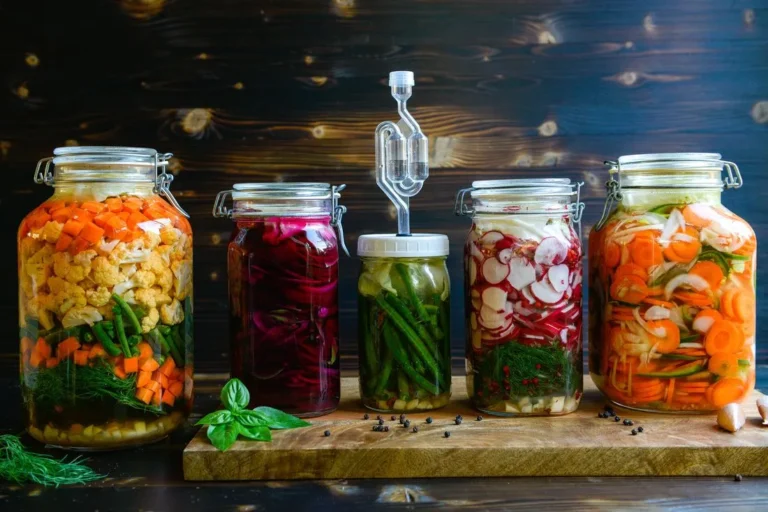
Fermentation is one of the oldest and most beneficial food preservation methods ever discovered.
The process relies on beneficial microorganisms that transform food while creating an environment where harmful bacteria struggle to survive. As fermentation progresses, beneficial microbes produce lactic acid, lowering the food’s pH and naturally preserving it.
A classic example is sauerkraut.
To make it:
- Shred fresh cabbage evenly.
- Add sea salt.
- Massage the cabbage until natural juices form.
- Pack tightly into jars.
- Ensure the cabbage remains submerged beneath the brine.
- Allow it to ferment at room temperature for several days.
The result is a tangy, nutrient-rich food that can last for months while supporting digestive health.
Kimchi follows a similar process but incorporates ingredients such as garlic, ginger, chili flakes, and fish sauce for additional flavor complexity.
2. Salt Curing
Salt curing preserves food by drawing out moisture, creating conditions where spoilage organisms cannot thrive.
This method has been used for centuries to preserve meat and fish.
A typical curing process involves:
- Measuring salt precisely.
- Applying curing salts where appropriate.
- Coating the food thoroughly.
- Refrigerating during the curing period.
- Allowing sufficient drying time afterward.
The reduction in moisture significantly extends shelf life while enhancing flavor and texture.
Salt curing remains the foundation for products such as bacon, cured beef, and preserved fish.
3. Root Cellaring
Root cellaring uses the earth’s naturally cool temperatures to preserve food without electricity.
Traditionally, people stored vegetables and fruits in underground spaces where temperatures remained consistently cool throughout the year.
Ideal root cellar conditions include:
- Temperatures between 32°F and 40°F
- High humidity levels
- Proper ventilation
- Minimal exposure to light
Potatoes, carrots, beets, apples, cabbage, and onions all perform well in root cellar environments.
When managed correctly, root cellaring can preserve produce for many months with minimal energy requirements.
4. Smoking
Smoking combines flavor enhancement with food preservation.
Wood smoke contains compounds that help inhibit bacterial growth while reducing moisture content.
Two primary methods exist:
Cold Smoking
Cold smoking occurs at low temperatures and preserves food without cooking it.
It is commonly used for:
- Fish
- Cheese
- Certain cured meats
Hot Smoking
Hot smoking both cooks and preserves food.
It works particularly well for:
- Poultry
- Beef
- Pork
- Fish
Different woods produce unique flavors:
- Hickory provides bold smokiness.
- Apple wood offers mild sweetness.
- Cherry wood delivers a subtle fruity flavor.
5. Dehydration
Dehydration preserves food by removing moisture.
Since microorganisms require water to grow, reducing moisture dramatically increases shelf life.
Foods commonly dehydrated include:
- Apples
- Tomatoes
- Herbs
- Mushrooms
- Meat for jerky
Proper dehydration produces foods that are:
- Lightweight
- Portable
- Nutrient-dense
- Long-lasting
When stored correctly, dehydrated foods can remain usable for one to two years or longer.
6. Confit
Confit originated in France as a practical preservation technique.
The process involves:
- Salting food
- Slowly cooking it in fat
- Storing it fully submerged beneath the fat
Duck confit remains the most famous example.
The fat creates an oxygen-free environment, limiting bacterial growth and preserving the food for extended periods.
7. Vinegar Preservation and Pickling
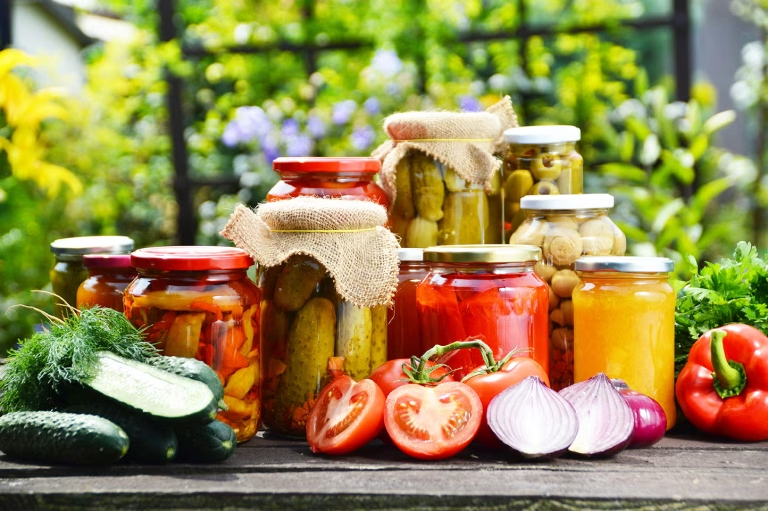
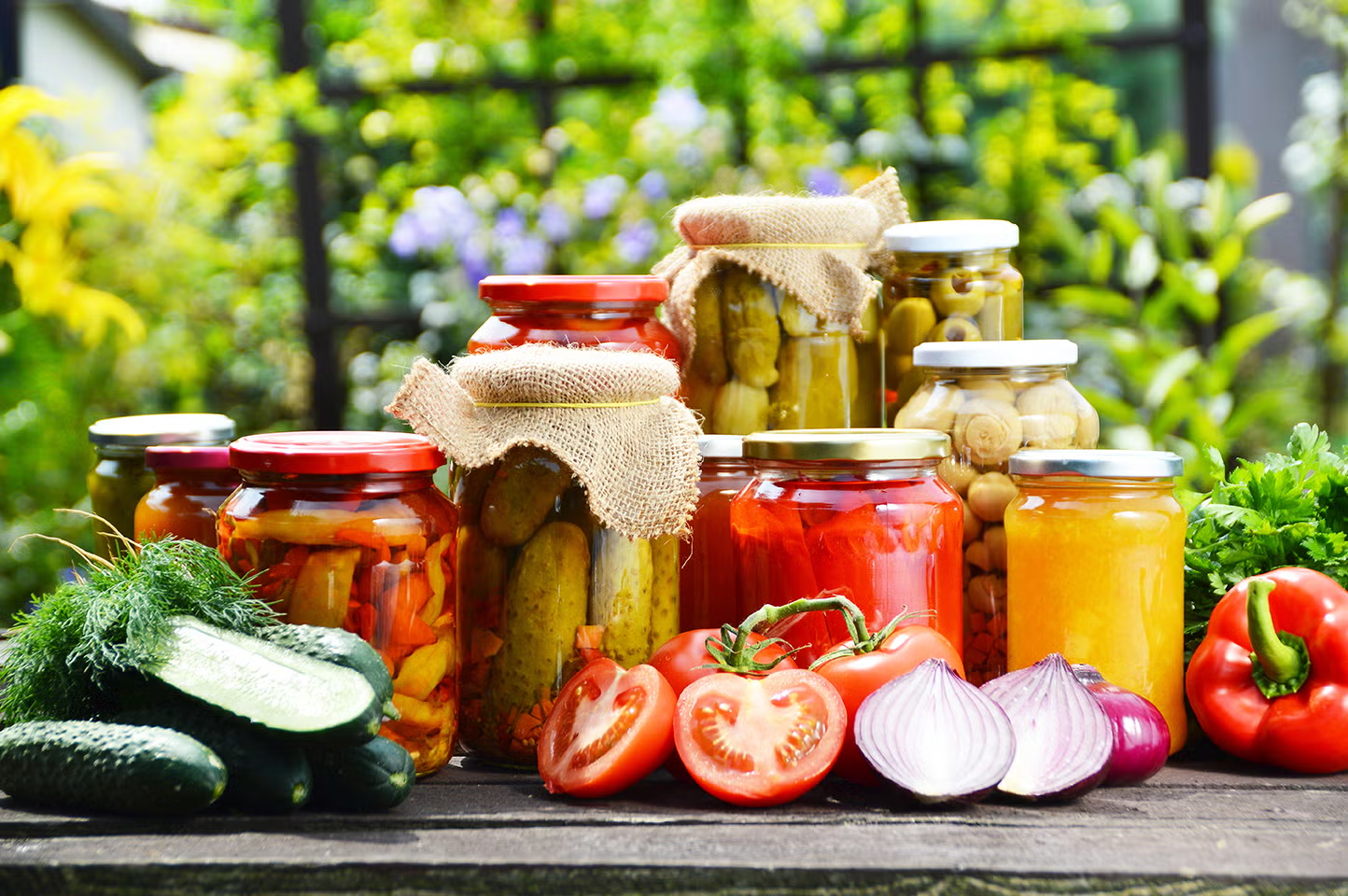
Pickling uses acidic environments to prevent spoilage.
Vinegar’s acetic acid lowers pH levels to a range where many harmful microorganisms cannot survive.
Common pickled foods include:
- Cucumbers
- Onions
- Eggs
- Fish
- Peppers
A simple pickling solution typically consists of:
- Vinegar
- Water
- Salt
- Optional herbs and spices
Properly processed pickles can remain shelf-stable for years.
8. Honey Preservation
Honey possesses remarkable preservation properties.
Its:
- Low moisture content
- Natural acidity
- Antimicrobial compounds
make it one of nature’s most effective preservatives.
Throughout history, honey has been used to preserve:
- Fruits
- Herbs
- Garlic
- Ginger
- Meat
The key requirement is complete submersion, ensuring no portion remains exposed to air.
9. Ash Preservation
Wood ash may seem unlikely as a preservation tool, but it has served that purpose for centuries.
Ash creates an alkaline environment that inhibits bacterial growth.
Historically, it has been used to preserve:
- Eggs
- Corn
- Meat
Additionally, ash contributes minerals such as potassium and calcium.
Only clean hardwood ash should be used, and appropriate safety precautions are essential.
10. Clay Pot Storage
Clay vessels provided natural refrigeration long before electric cooling systems existed.
Unglazed clay allows moisture to evaporate through tiny pores, cooling the contents naturally.
This technique has traditionally been used for:
- Water
- Grains
- Fruits
- Vegetables
- Dairy products
The result is extended freshness without relying on electricity.
11. Pressure Preservation
Pressure preservation relies on mechanical force to remove moisture and air.
Examples include:
- Cheese pressing
- Fruit leather production
- Traditional pemmican preparation
By compressing food into dense forms, shelf life increases while storage space requirements decrease.
12. Freeze Drying
Ancient Andean cultures developed a natural freeze-drying process using environmental conditions.
Food experienced:
- Freezing temperatures at night
- Warm daytime conditions
This cycle removed moisture while preserving structure and nutrients.
Today, freeze drying remains one of the most effective long-term preservation methods available.
Foods preserved through freeze drying can last decades when stored correctly.
13. Oil Preservation
Oil preservation works by creating an oxygen barrier.
Common foods preserved in oil include:
- Herbs
- Cheese
- Garlic
- Tomatoes
- Vegetables
Olive oil is often preferred because of its stability and flavor.
However, acidity levels must be carefully managed to ensure food safety.
14. Spice Preservation
Spices do more than add flavor.
Many contain compounds with natural antimicrobial properties.
Examples include:
Cinnamon
Contains cinnamaldehyde, which helps combat bacteria.
Cloves
Contain eugenol, known for antimicrobial effects.
Turmeric
Contains curcumin, a powerful bioactive compound.
Historically, spices were frequently incorporated into preservation systems because they helped slow spoilage while improving taste.
15. Sugar Preservation
Like salt, sugar preserves food by drawing out moisture.
This process, known as osmotic dehydration, creates an environment unsuitable for microbial growth.
Common examples include:
- Jams
- Jellies
- Candied fruits
- Fruit preserves
When sugar concentrations are high enough, foods can remain stable for years.
Proper storage in airtight containers is essential for long-term success.
Why Ancient Food Preservation Methods Still Matter Today
Modern refrigeration has made food preservation easier, but ancient techniques offer benefits that modern appliances cannot always provide.
These methods:
- Reduce dependence on electricity
- Minimize food waste
- Extend seasonal harvests
- Improve food security
- Enhance flavor
- Support self-sufficiency
- Preserve nutrients naturally
Many also create entirely new foods with unique textures, aromas, and nutritional properties.
Final Thoughts
Ancient food preservation methods continue to demonstrate their value in today’s world. Whether through fermentation, salt curing, smoking, dehydration, root cellaring, honey preservation, or pickling, these techniques prove that effective food storage does not always require advanced technology.
The real advantage lies in understanding how nature works and using those principles to your benefit. With patience, practice, and attention to detail, these traditional methods can help you build a more resilient kitchen, reduce waste, and preserve food safely for months or even years.
Start with one technique, master it, and gradually expand your skills. The knowledge has survived for centuries because it works—and it remains just as relevant today as it was thousands of years ago.