
Home canning guide is one of the most practical resources for anyone interested in food preservation and long-term storage. Home canning allows you to safely store cooked or prepared foods in airtight jars, extending their shelf life without refrigeration or freezing.
This method has been used for generations and remains one of the most reliable ways to preserve food at home. In this guide, you will learn the essential tools, step-by-step process, and safety principles required to successfully can food and build a long-term storage system in your kitchen.
What Is Home Canning?
Home canning is a food preservation technique that involves sealing food in airtight glass jars and heating them to eliminate bacteria, yeast, and mold.
The goal is to create a vacuum seal that prevents air and microorganisms from entering the jar, allowing the food to remain shelf-stable for extended periods.
It is commonly used for foods stored in liquid or sauce form, such as stews, fish in sauce, vegetables, and similar cooked meals.
Essential Equipment for Home Canning
Successful canning does not require complex machinery. A few basic tools are enough to get started.
Mason Jars with Airtight Lids
Mason jars are the foundation of home canning. They are designed with a two-part lid system:
- A metal screw band
- A flat sealing lid with a rubber or silicone edge
This combination allows the jar to form a vacuum seal during cooling, which is essential for long-term storage.
One major advantage of mason jars is that they are reusable, making them cost-effective and sustainable.
Jar Lifter and Lid Handling Tools
A jar lifter (or canning tong) is used to safely handle hot jars during sterilization and boiling.
A magnetic lid lifter is also useful for safely removing sterilized lids from boiling water without contamination.
These tools ensure safety and prevent burns or accidental breakage during the process.
Large Stock Pot
A deep stock pot is required for boiling jars during sterilization and processing. It ensures even heat distribution and proper temperature control during the canning cycle.
The Importance of Sterilization
Sterilization is the most critical step in the entire canning process.
All jars, lids, and tools must be thoroughly sterilized before use to eliminate bacteria and prevent contamination.
This is typically achieved by:
- Boiling jars and lids in hot water
- Keeping them fully submerged for a sufficient time
- Handling them with sterilized tools only
Proper sterilization ensures the food remains safe and stable during storage.
Food Selection and pH Balance
Not all foods are suitable for canning. The acidity level (pH) of food plays a major role in preservation safety.
Acidic Foods Are Ideal
Foods with higher acidity levels tend to be safer for home canning because they naturally inhibit bacterial growth.
Examples include:
- Tomato-based sauces
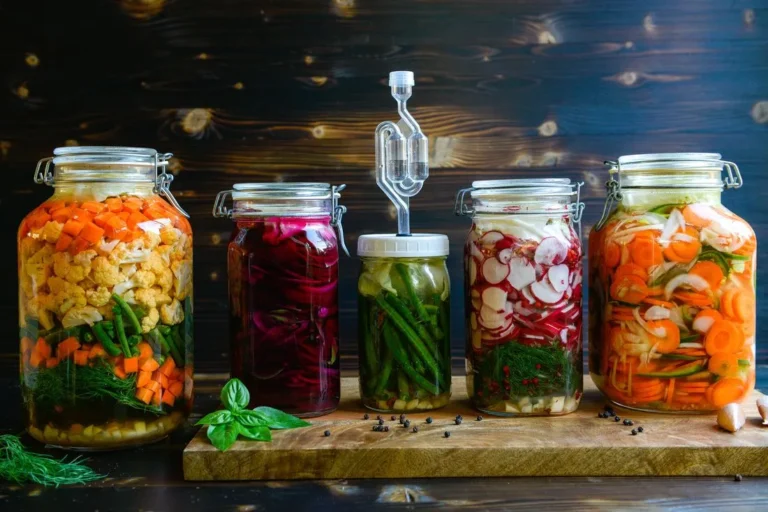
- Pickled foods
- Foods preserved in acidic liquids
Low-Acid Foods Require Care
Low-acid foods require more careful processing to avoid spoilage risks.
Understanding food acidity is essential for safe long-term storage and shelf stability.
The Canning Process Overview
The home canning process follows a structured method designed to eliminate microorganisms and seal food safely.
1. Preparing Clean Jars
Sterilized jars must remain hot and clean before filling. Any contamination at this stage can compromise the entire batch.
2. Filling the Jars
Food is carefully transferred into sterilized jars using a funnel to avoid spills and maintain cleanliness.
The jar rims are wiped clean before sealing to ensure a proper vacuum seal.
3. Sealing the Jars
Lids are placed on the jars and secured with screw bands. The seal should be tight enough to prevent leakage during boiling but not overly tightened.
4. Heat Processing
The sealed jars are submerged in boiling water for a controlled period.
This step serves two purposes:
- Eliminating any remaining microorganisms
- Activating the vacuum sealing process
Heat processing is what ensures long-term shelf stability.
5. Cooling and Vacuum Formation
After boiling, jars are left to cool naturally.
During this cooling phase, a vacuum seal forms inside the jar. A noticeable “popping” sound may occur, which indicates that the seal has successfully formed.
Safety Principles in Home Canning
Proper canning requires attention to detail and hygiene.
Key safety principles include:
- Always sterilize equipment before use
- Avoid touching sterilized surfaces with bare hands
- Use proper tools for handling hot jars
- Maintain a clean working environment
- Follow correct processing times
These steps ensure the safety and longevity of preserved foods.
Benefits of Home Canning
Home canning offers several practical advantages:
- Long-term food preservation
- Reduced food waste
- Cost savings on groceries
- Control over ingredients and quality
- Emergency food storage capability
It is a valuable skill for households looking to become more self-sufficient and organized in food management.
Final Thoughts
Home canning is a simple yet powerful food preservation method that can be done with basic kitchen tools. When done correctly, it provides a safe and reliable way to store meals for extended periods.
By understanding sterilization, food acidity, and proper sealing techniques, anyone can build an effective home canning system for everyday use or long-term storage.