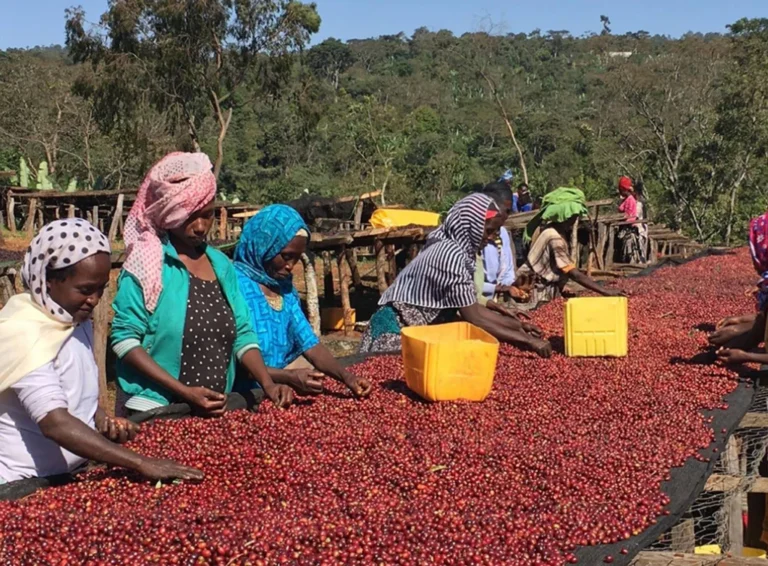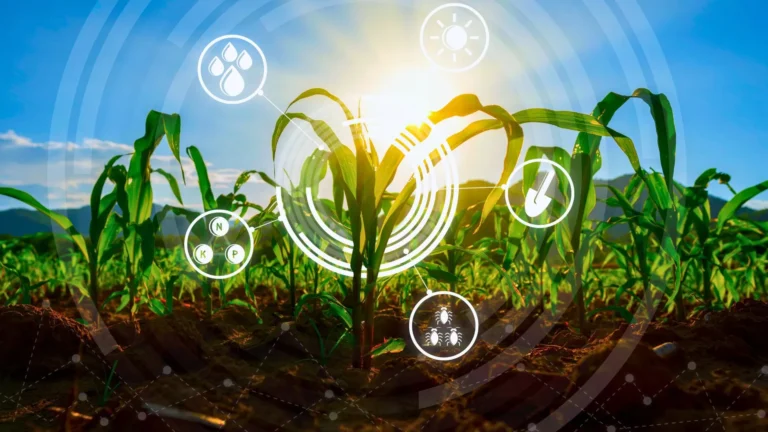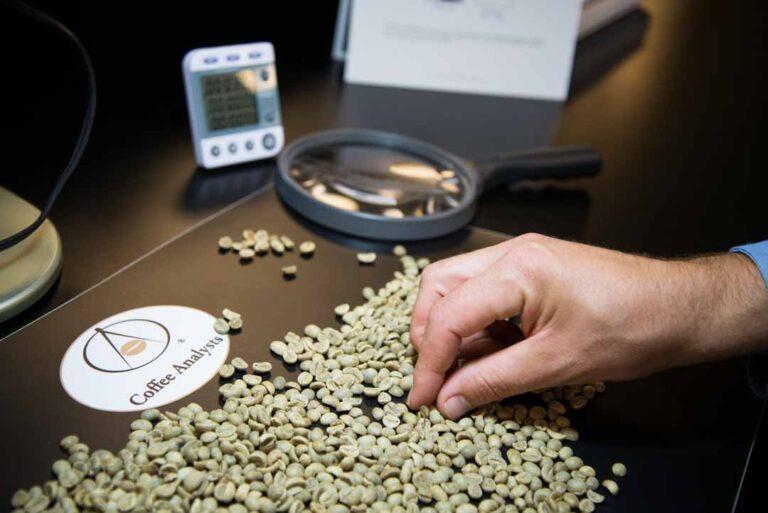
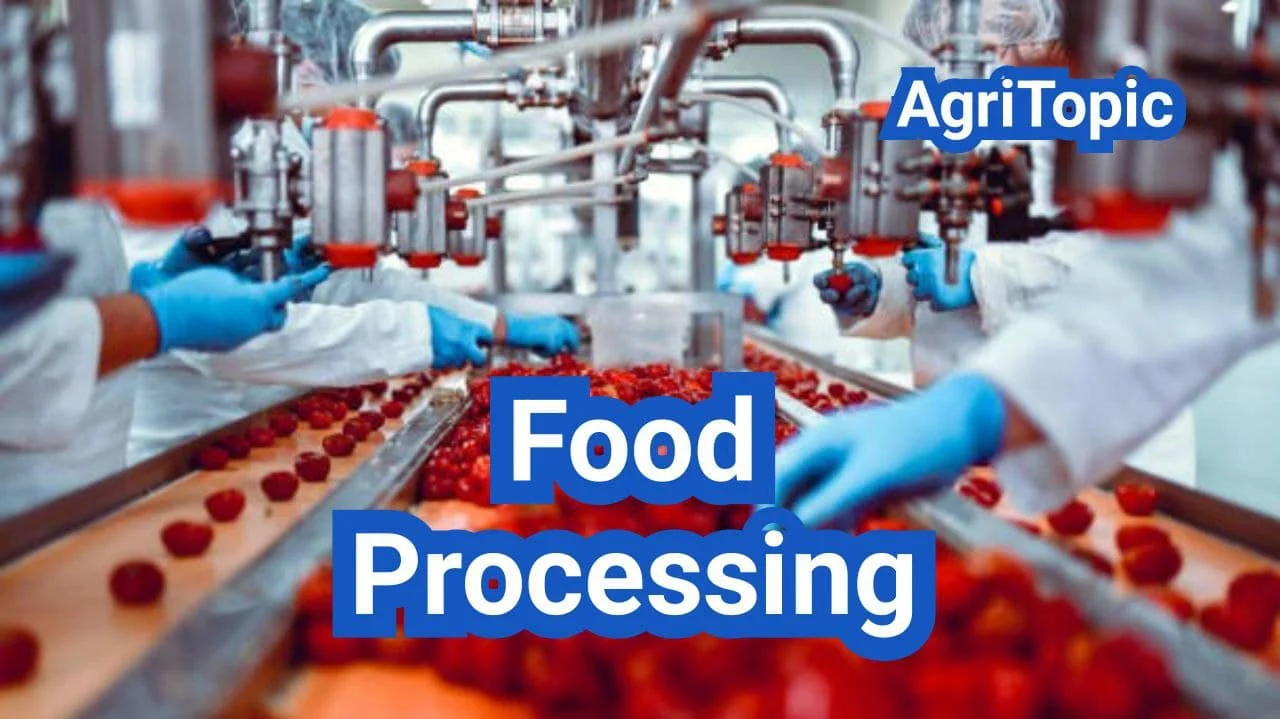

Food processing is something we experience every single day, often without giving it a second thought. Every day, I tuck into food that’s traveled a surprisingly long way to reach my plate. It’s been picked, washed, cooked, packaged, and sometimes even juiced, frozen, or dried—all before I take my first bite.
But have you ever stopped to wonder what really happens between the farm and your fork?
Today, I want to take you behind the scenes into the fascinating world of food processing. It’s a journey of science, history, and a touch of culinary magic that shapes nearly everything we eat.
What Is Food Processing?
At its core, food processing is simply the transformation of raw ingredients—fruits, vegetables, grains, meat, and dairy—into foods that are safe, tasty, and convenient to eat.
The interesting thing is that this isn’t a modern invention. People have been drying, fermenting, and cooking food for thousands of years. Think about salting fish, turning milk into cheese, or sun-drying tomatoes. These are all forms of food processing.
What has changed over time is the scale and technology we use today.
The Three Levels of Food Processing
Food processing generally falls into three main categories.
Primary Processing
Primary processing is the most basic stage. It involves preparing raw food for the next step.
Examples include:
- Washing carrots
- Grinding wheat into flour
- Pasteurizing milk
The goal is to make raw ingredients clean, safe, and ready for further use.
Secondary Processing
Secondary processing is where individual ingredients become familiar foods.
Examples include:
- Baking bread
- Making pasta
- Canning beans
At this stage, the basic building blocks are transformed into meals and snacks that people recognize and enjoy every day.
Tertiary Processing
Tertiary processing focuses on convenience.
Ready meals, instant soups, and snack bars all fall into this category. These products are designed to save time and make everyday life a little easier, especially for busy households.
Why Do We Process Food?
Food processing serves several important purposes beyond convenience.
Improving Food Safety
One of the biggest reasons for processing food is safety. Processing methods such as heat treatment, pressure, and certain approved chemical processes help eliminate harmful bacteria like E. coli and Salmonella, reducing the risk of foodborne illness.
Extending Shelf Life
Fresh food naturally has a limited lifespan. Processing helps preserve food for longer periods, making it possible to transport products across countries and continents while reducing food waste.
Enhancing Nutrition
Food processing can also improve nutritional value and accessibility for example:
- Flour is often fortified with essential vitamins.
- Milk may be enriched with calcium.
- Cooking tomatoes actually makes some of their nutrients more available for the body to absorb.
Making Life More Convenient
Convenience is another major advantage. Pre-cut vegetables, microwave-ready meals, and ready-made snacks save valuable time, especially during busy workdays or hectic family schedules.
Common Food Processing Techniques
There are many different ways to process food, and each method serves a specific purpose.
Thermal Processing
Thermal processing uses heat to destroy harmful microorganisms.
Examples include:
- Boiling
- Steaming
- Pasteurization
Freezing
Freezing slows or completely stops microbial activity, helping food stay fresh for much longer.
Drying
Drying removes moisture, making it difficult for bacteria and other microorganisms to survive.
This technique is commonly used for:
- Dried fruits
- Cereals
- Herbs
- Spices
Fermentation
Fermentation is one of the oldest food preservation methods in history. Besides extending shelf life, it also develops unique flavors and textures in foods such as:
- Kimchi
- Yogurt
- Sourdough bread
Packaging
Packaging is about much more than attractive presentation. Proper packaging protects food from contamination, maintains freshness, and keeps products safe until they’re ready to be eaten.
How Modern Food Processing Keeps Food Safe
Today’s food factories place enormous emphasis on food safety. Strict hygiene standards, regular testing, and food safety management systems such as HACCP help ensure that food is handled correctly throughout every stage of production.
Modern technology has also transformed the industry. Artificial intelligence (AI) and blockchain systems are increasingly being used to trace food back to its source, improve transparency, and reduce waste throughout the supply chain.
The Bigger Role of Food Processing
Food processing does far more than simply stock supermarket shelves. It supports international trade, makes food available to growing urban populations, reduces waste, and helps improve food security around the world. Without modern food processing, many of the foods we rely on every day simply wouldn’t be available year-round.
Not All Processed Foods Are the Same
It’s important to remember that processed foods vary greatly. There’s a significant difference between frozen peas and ultra-processed snacks that are packed with added sugar, salt, and unhealthy ingredients. That’s why I always read food labels and try to choose whole foods whenever possible.
Final Thoughts
Food processing is a unique blend of science, art, and industry that transforms raw ingredients into foods we can trust. From the farm to the factory and finally to our forks, it’s part of nearly every meal we eat. It’s not just about convenience. It’s about improving food safety, reducing waste, supporting global food systems, and helping feed the world more efficiently.
The next time you sit down for a meal, you might just see your food in a whole new light—and perhaps appreciate the remarkable journey it took before reaching your plate.