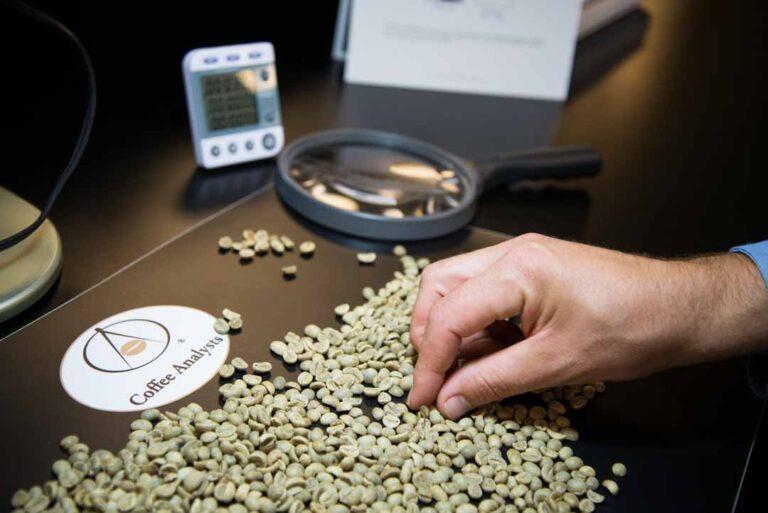

Green coffee analysis is an essential step in coffee quality control, whether the coffee is destined for export or roasting. Before green coffee reaches buyers or roasters, it must be carefully evaluated to identify defects, verify quality standards, and ensure it meets customer specifications.
The most widely recognized method for evaluating green coffee is the Specialty Coffee Association (SCA) Green Coffee Standards. These standards provide a consistent framework for assessing moisture content, bean appearance, water activity, aroma, and physical defects that may affect the final cup quality.
In this guide, we’ll walk through the green coffee analysis process, explain the different defect categories, and explore how proper evaluation helps producers deliver high-quality coffee to international markets.
Why Green Coffee Analysis Is Important
Whether coffee is being prepared for export or roasting, understanding the defects present in the final product is critical. Green coffee analysis enables producers, exporters, and buyers to:
– Verify coffee quality before shipment.
– Meet customer quality specifications.
– Classify coffee according to internationally recognized standards.
– Identify processing issues that affect cup quality.
– Improve sorting and processing practices.
Accurate evaluation also strengthens trust between coffee producers and buyers by ensuring consistent quality expectations.
Materials Required for Green Coffee Analysis
According to the SCA standards, green coffee analysis requires the following:
– 350 grams of green coffee
– 100 grams of roasted coffee
– A clean inspection table
These samples provide enough coffee to accurately evaluate physical defects and assess the roasted beans for Quakers.
Quality Parameters Evaluated During Green Coffee Analysis
Before counting defects, several quality characteristics must be examined.
Moisture Content
Green coffee should have a moisture content between 10% and 12%. Maintaining this moisture range helps preserve bean quality during storage and transportation while reducing the risk of spoilage.
Bean Cleanliness
The coffee should be clean and free from contaminants before inspection begins. Proper cleaning ensures that the evaluation reflects the true quality of the beans rather than contamination introduced during processing.
Bean Color
The inspector carefully examines the overall color of the green coffee beans. Uniform color generally indicates consistent processing, while unusual discoloration may suggest quality issues that require further investigation.
Water Activity
Water activity should remain below 0.70. Keeping water activity below this level helps prevent fungal growth and preserves coffee quality during storage and export.
Aroma Evaluation
The smell of the green coffee is another important quality indicator. Inspectors evaluate the aroma to identify any unusual or undesirable odors that could indicate improper processing or storage conditions.
Understanding Coffee Defect Categories
The SCA Green Coffee Standards classify defects into Category One and Category Two. The distinction is based on how severely each defect affects coffee quality and the final cup.
Category One Defects
Category One defects are considered the most serious because they are highly likely to affect the flavor of the brewed coffee. These defects include:
– Full black beans
– Full sour beans
– Dry cherry
– Fungus damage
– Foreign matter
– Severe insect damage
For the first five defects, one bean equals one full defect. Severe insect damage is evaluated differently. Five beans with severe insect damage are equivalent to one full defect. Only complete units are counted during evaluation. For example:
– Four severely insect-damaged beans do not count as one defect.
– Seven severely insect-damaged beans count as one full defect.
Category Two Defects
Category Two defects are generally less severe but can still negatively influence cup quality if present in excessive numbers. These include:
Three Beans Equal One Defect
– Partial black beans
– Partial sour beans
Five Beans Equal One Defect
– Parchment
– Floaters
– Immature beans
– Withered beans
– Shells
– Broken beans
Ten Beans Equal One Defect
– Slight insect damage
As with Category One defects, only complete units are counted when calculating the total number of defects.
Specialty Coffee Quality Requirements
To qualify as a specialty coffee-grade lot under SCA standards, the coffee must meet strict quality requirements. These include:
– Zero Category One defects
– No more than five Category Two defects
– Zero Quakers in 100 grams of roasted coffee
Meeting these standards demonstrates that the coffee is suitable for specialty markets and premium buyers.
Where Coffee Defects Originate
Most coffee defects develop during harvesting and processing rather than during roasting. Understanding where defects originate helps producers improve quality throughout the production chain.
Defects Caused During Harvesting
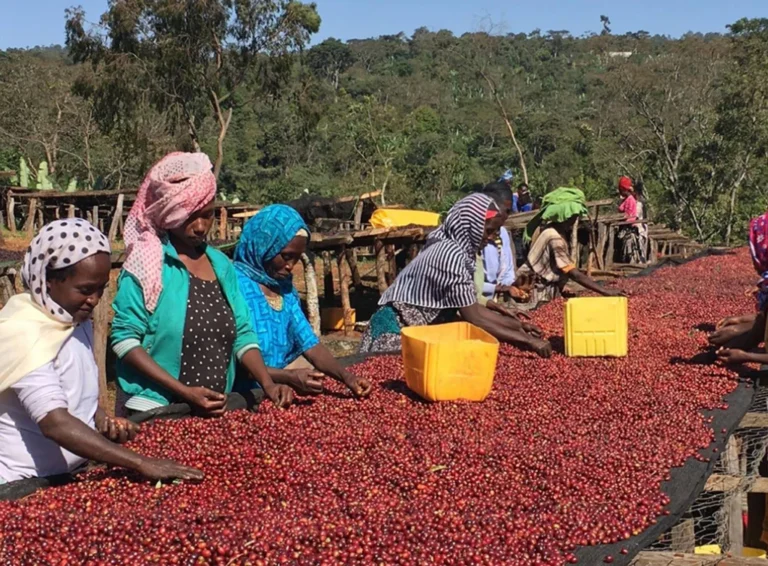
Full black beans and full sour beans are often the result of coffee cherries being left on the tree for too long, where they dry before harvesting. Proper cherry collection significantly reduces the occurrence of these defects.
Defects Caused During Wet Milling
Defects such as:
– Broken beans
– Partial black beans
– Partial sour beans
are commonly introduced during the wet milling process. If pulping equipment is not properly calibrated, beans may become chipped or broken. Likewise, allowing coffee to remain in fermentation tanks for excessive periods can cause beans to develop partial or full sour defects. Maintaining clean equipment and processing coffee promptly helps minimize these quality issues.
Defects Caused During Dry Milling
Foreign matter, parchment, and shells are defects typically introduced during the dry milling process. Proper calibration of dry milling equipment and effective cleaning procedures help reduce these defects before export.
Why Fungus Is a Serious Coffee Defect
Fungus is one of the most important defects to monitor during green coffee analysis. Filamentous fungi can develop on improperly stored coffee, potentially leading to the formation of ochratoxins. Unlike many other quality issues, these toxins are not removed during roasting, making proper storage conditions essential. To reduce this risk, coffee intended for storage or export should maintain a water activity below 0.70.
Building Strong Relationships Through Green Coffee Analysis
Understanding the results of green coffee analysis allows producers to better understand their coffee’s quality while meeting customer expectations. Accurate analysis helps identify potential risks, determine the amount of sorting required, and establish realistic quality standards between producers and buyers.
By consistently applying SCA Green Coffee Standards, producers can improve processing practices, deliver more consistent coffee, and strengthen long-term relationships with customers.
Final Thoughts
Green coffee analysis plays a critical role in producing high-quality coffee for both specialty roasting and export markets. By carefully evaluating moisture content, bean appearance, water activity, aroma, and physical defects, coffee professionals can ensure every lot meets internationally recognized quality standards.
Understanding the difference between Category One and Category Two defects, maintaining clean processing equipment, and following proper harvesting, wet milling, and dry milling practices all contribute to better coffee quality. Ultimately, thorough green coffee analysis not only improves the final product but also builds confidence between producers, exporters, and customers throughout the coffee supply chain.