
Avoid These Common Mistakes for Perfect Results
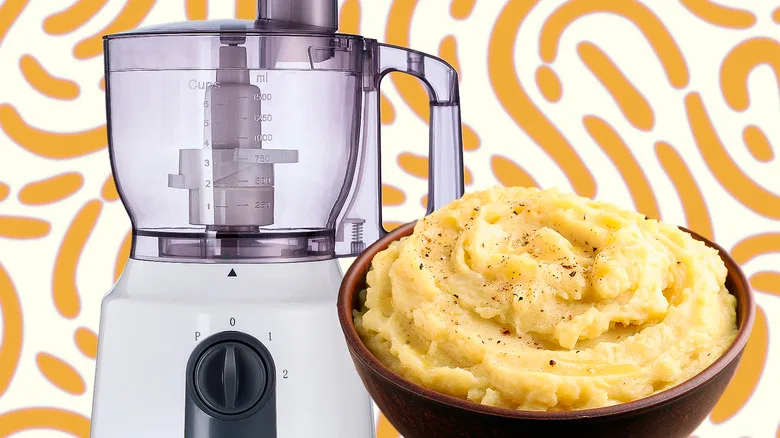
The food processor is an invaluable kitchen tool, transforming tedious prep work into a quick and efficient task. However, maximizing its potential and longevity requires understanding its capabilities and limitations. Many common errors, from incorrect settings to improper cleaning, can hinder performance and even damage the appliance. By recognizing and avoiding these pitfalls, you can ensure consistently excellent results and extend the life of your food processor.
1. Misunderstanding Food Processor Settings
Achieving desired results hinges on using the correct settings. Each model offers various functionalities designed for specific tasks. Familiarizing yourself with these settings is crucial for optimal food preparation.
Pulse, Low, and High Settings Explained
- Pulse Button: This setting provides short, intermittent bursts of power. It’s ideal for chopping, mincing, or incorporating ingredients without over-processing. For best results, don’t overfill the bowl; a halfway mark allows ingredients to move freely. Pulsing is also effective for briefly reincorporating flour when kneading dough.
- Low Setting: Operates the processor at a continuous low speed. This is suitable for slicing, grating, or shredding when coupled with the feed chute.
- High Setting: Provides continuous high-speed operation. Like the low setting, it’s used for continuous tasks such as making purees or when slicing, grating, and shredding.
Some food processors may also feature dedicated “chop” or “puree” settings, offering pre-programmed efficiency for those specific tasks.
2. Neglecting Immediate and Proper Cleaning
Maintaining your food processor’s cleanliness is paramount for hygiene and longevity. While convenient, throwing components into the dishwasher without thought can lead to buildup and dulling.
Post-Use Cleaning Best Practices
- Disassemble and Rinse Immediately: Regardless of dishwasher compatibility, always disassemble the unit and rinse the bowl and attachments right after use. This prevents food from drying and caking onto surfaces.
- Dishwasher Use: If components are dishwasher-safe, consult your user manual. Pay attention to recommendations for top-shelf placement and safe loading of sharp objects.
- Hand Washing: For hand cleaning, focus on hard-to-reach areas where food can lodge, particularly around blade attachments. A clever trick is to fill the bowl with warm, soapy water and run the processor for a few seconds to self-clean.
- Thorough Drying: Ensure all parts are completely dry before storage to prevent mold or odors. Air drying is a reliable method if you’re unsure.
3. Confusing Your Food Processor with a Blender
Many users mistakenly think food processors and blenders are interchangeable. While both process food, their design and primary functions are distinct, especially concerning liquid capacity.
Key Differences: Blender vs. Food Processor
- Blender’s Strength: Blenders excel at combining solids and significant amounts of liquid, making them perfect for smoothies, soups, and dressings. Their design allows them to handle higher liquid volumes without leaks.
- Food Processor’s Niche: Food processors are multi-functional tools designed primarily for drier, denser tasks. They can handle minimal liquids but risk leaks or poor processing with excessive amounts.
Optimal Use Cases:
- Blender: Smoothies, pureed soups, thin sauces, protein shakes.
- Food Processor: Chopping vegetables, making nut butter, shredding cheese, preparing dough, creating pie crusts, and thicker dips.
Adding too much liquid to a food processor can lead to leaks, ingredient buildup on bowl sides, and an undesirable paste-like texture for firmer foods.
4. Incorrect Assembly Order: The “Three Bs”
A common oversight, particularly with new users, is assembling the food processor in the wrong sequence. This can be frustrating, especially after loading ingredients.
Remember: Base, Bowl, Blade
To avoid this hassle, always follow the essential assembly steps:
- Base: Attach the motor base to a stable surface.
- Bowl: Securely place the processing bowl onto the motor base.
- Blade: Insert the drive adapter, then carefully attach the desired blade or disc.
Only then should you add your ingredients. This ensures a proper fit and safe operation from the start.
5. Choosing the Wrong Food Processor
The initial purchase decision significantly impacts your food processor experience. A processor that doesn’t meet your needs will inevitably lead to frustration.
Factors for Choosing the Right Appliance
Needs Assessment: Consider what you’ll primarily use the food processor for. Do you bake often? Need to chop large quantities?
Features to Evaluate:
- Double Blade: For efficient, even processing.
- Multi-function Accessories: Expanding versatility.
- Storage Case: For organization and protection.
- Touchpad Controls: For ease of cleaning and use.
- Wide Feed Tube: Ideal for larger ingredients like potatoes.
- Varied Speed Settings: For precise control over different tasks.
- Liquid Max Line: A crucial indicator for preventing overflows.
Investing in a quality appliance that aligns with your cooking habits will pay dividends in performance and satisfaction.
6. Inefficient Processing: Skipping Pulse and Scrape
Simply turning on your food processor and walking away for an extended period often results in unevenly processed ingredients. Some parts are pulverized into a paste, while others remain in large chunks.
The Pulse and Scrape Method
- Control is Key: Use the pulse button in short bursts to maintain control over the processing.
- Scrape Down Sides: Periodically stop the processor and scrape down any ingredients clinging to the sides of the bowl. This ensures even distribution and consistent results.
- Under-Process if Unsure: As a general rule, it’s always better to under-process slightly. You can always give ingredients another pulse, but you can’t reverse over-processing.
This technique is especially vital when chopping delicate produce or kneading dough to prevent an uneven texture.
7. Improperly Preparing Food Items
The food processor is powerful, but it’s not a magic wand. How you prepare ingredients *before* they enter the chute significantly affects the outcome.
Pre-Processing Food for Best Results
- Wash and Peel: Always wash and peel ingredients as needed.
- Cut to Size:
-
-
- Round Foods: Cut in halves or quarters to stabilize.
- Small Ingredients: Feed vertically or horizontally in layers through the chute.
-
- Temperature Matters: For shredding cheese, meat, or poultry, ensure they are very cold and cut into pieces that fit the chute.
- Handle Leafy Greens: For flimsy leaves like spinach, stack, roll tightly, and then stand them upright in the feed chute for consistent shredding.
8. Dumping All Ingredients Simultaneously
Resist the urge to throw all your ingredients into the food processor at once. Different textures require different processing times, and combining them haphazardly leads to uneven results.
Strategic Ingredient Addition
- Prioritize Processing: Determine which ingredients need to be pureed, finely chopped, or coarsely chopped.
- Add in Stages:
-
-
- Start with ingredients requiring the most processing (e.g., those you wish to puree). Blend them first.
- Next, add those you want finely chopped and pulse.
- Continue this sequence until all ingredients are added and processed to their desired texture.
-
- Consider Hardness: Account for ingredient hardness; tougher items may need to go in earlier or independently.
The only exceptions to this rule are recipes like soups or pestos where all ingredients are intended to be processed into a uniform consistency.
9. Misusing the Dough Blade (or Disregarding Metal Blades for Dough)
The presence of a “dough blade” can be misleading. While designed for dough, it might not always be the optimal choice for every recipe or even superior to the standard metal blade.
Dough Blade Nuances
- Volume Matters: Some manufacturers, like Cuisinart, recommend their dough blade only for recipes using at least 3.5 cups of flour, as it performs better with larger quantities.
- Metal Blade Advantage: Interestingly, the standard S-blade (metal blade) can often outperform the dough blade for kneading. This is because dough blades typically have shorter arms, making them less effective at reaching the periphery of the bowl.
- Consult Your Manual: Always refer to your food processor’s user manual for specific instructions regarding dough blades. If options are unclear, experiment with both the dough blade and the metal blade to see which yields superior results for your particular recipe.
10. Dishwashing Blades (Even if ‘Safe’) and Overheating the Motor
Two critical mistakes often arise from convenience or a lack of awareness: dulling blades in the dishwasher and overworking the motor.
Blade Care and Motor Protection
- Avoid Dishwashing Blades: While some blades are technically dishwasher-safe, the harsh detergents, high temperatures, and forceful water jets in a dishwasher can dull them over time. This applies to kitchen knives and other sharp utensils as well. Handwashing sharp blades preserves their edge and longevity.
- Prevent Motor Overheating: Food processors, especially those with high RPM motors, can overheat. Many models include overheat protection sensors that automatically shut off the unit if temperatures spike. If your processor suddenly stops, do not immediately restart it.
- Check Manual: Consult your user manual for recommended cool-down times.
- Cool Down: If no guidance is available, unplug the appliance and let it cool for 20-30 minutes before attempting to use it again. Ignoring this can lead to permanent damage to the motor.
Bonus Tip: Say No to Frozen Solids
Avoid processing rock-hard frozen foods. While the food processor might *seem* to handle them, doing so can:
- Dent or crack the bowl.
- Quickly dull the blades.
- Overwork and potentially damage the motor.
If you can easily pierce the frozen food with a knife, it’s likely safe for the food processor. Otherwise, thaw it in the refrigerator overnight before processing.
By understanding and avoiding these common food processor mistakes, you’ll extend the life of your appliance, achieve consistently better results, and make your kitchen experience much more enjoyable.