
How to store Nigerian ingredients properly is essential for long-term preservation, food safety, and maintaining freshness. Many Nigerian ingredients such as leafy vegetables, grains, spices, and traditional pastes require specific storage techniques depending on their moisture content and shelf life.
Understanding how to store Nigerian ingredients correctly ensures that food retains its flavor, nutritional value, and usability whether stored in a freezer, refrigerator, or dry pantry.
This guide explains practical, real-life methods for how to store Nigerian ingredients using freezing, refrigeration, and dry storage systems.
Understanding Proper Food Storage for Nigerian Ingredients
Food storage is not just about placing items in a freezer or cupboard. Each ingredient behaves differently depending on:
- Moisture content
- Temperature sensitivity
- Exposure to air
- Natural spoilage rate
- Packaging method
For Nigerian cooking, where leafy vegetables, fermented products, and fresh produce are common, proper storage becomes even more important.
A well-organized storage system typically includes:
- A deep freezer for perishable items
- Airtight containers for semi-perishables
- Dry cupboards for stable foods
- Proper labeling for easy identification
Dry Storage Methods for Nigerian Ingredients
Some Nigerian ingredients do not require refrigeration or freezing. These can be safely stored in cool, dry environments.
Abacha (African Salad Cassava Flakes)
Abacha is one of the most stable Nigerian ingredients when properly stored. It should be kept in:
- Airtight containers
- Cool, dry cupboards
- Moisture-free environments
When stored correctly, it can last for years without spoilage or insect infestation.
Dry Spices and Seasoning Ingredients
Ingredients such as dry pepper, dried herbs, and seasoning blends should be stored in:
- Sealed containers
- Away from moisture and heat
- Dark cupboard spaces
This prevents loss of flavor and contamination.
Powdered Foods (Tom Brown Example)
Tom Brown and similar powdered blends should be stored in glass jars or airtight containers.
Recommended usage:
- Store in dry cupboards
- Avoid exposure to moisture
- Seal tightly after each use
To prepare, mix with warm milk and sweetener. It can also be added to traditional cereals like akamu (ogi).
Freezer Storage for Nigerian Ingredients
A deep freezer is one of the most important tools for preserving Nigerian food items, especially vegetables and pastes.
General Freezing Principles
When freezing Nigerian ingredients:
- Use airtight Ziploc bags or containers
- Label everything clearly
- Divide into single-use portions
- Avoid overfilling containers
- Freeze immediately after preparation
Proper freezing slows down enzymatic activity and prevents spoilage.
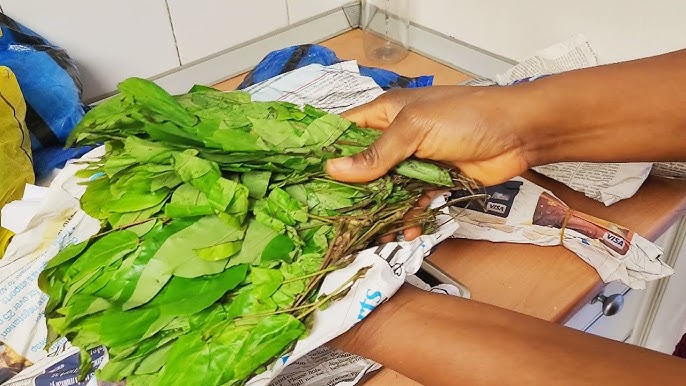
Preserving Nigerian Leafy Vegetables
Leafy vegetables are among the most delicate Nigerian ingredients and require careful handling.
Common Vegetables Covered
- Oha leaves
- Uziza leaves
- Bitter leaf
- Ugu
- Moi moi leaves
- Uziza and other wild greens
Cleaning and Preparation
Proper washing is essential before storage:
- Wash repeatedly (2–5 times depending on dirt level)
- Use salt water to remove pesticides and insects
- Remove damaged or darkened leaves
- Drain thoroughly before packaging
It is important to ensure that no sand or dirt remains before freezing.
Packaging Method
Once cleaned:
- Divide into portion sizes
- Flatten leaves inside Ziploc bags
- Remove excess air
- Label with name and date
- Freeze flat for easy stacking
Flattening prevents clumping and preserves leaf structure.
Cooking from Frozen
Frozen leafy vegetables should NOT be thawed before cooking.
Best practice:
- Remove from freezer
- Add directly into cooking pot
- Allow heat to thaw naturally
This helps maintain color, texture, and nutritional value.
Storage of Garden Eggs and Fresh Produce
Garden eggs and similar vegetables require refrigeration rather than freezing.
- Rinse thoroughly
- Place in airtight container
- Store in refrigerator
- Use within a reasonable timeframe
Proper refrigeration prevents premature spoilage.
Storage of Ogiri, Peanut Butter, and Pastes
Ogiri (Fermented Seasoning)
Ogiri stores best in the freezer. It should be:
- Kept in airtight containers
- Thawed at room temperature when needed
- Refrozen if necessary (depending on usage pattern)
Peanut Butter
Peanut butter is flexible in storage:
- Refrigerator storage for daily use
- Freezer storage for bulk quantities
At room temperature, it softens quickly and becomes easier to use.
Preserving Fruits Like Udara (African Star Apple)
Udara is a seasonal fruit that can be preserved through freezing.
Storage steps:
- Wash thoroughly
- Remove dirt and debris
- Pack into Ziploc bags or containers
- Freeze immediately
To consume, allow it to thaw at room temperature for about one hour.
Proper Storage of Beans and Grains
Beans can be stored in two ways:
Freezer Storage
- Use airtight containers
- Pour dry beans directly
- Seal tightly before freezing
Dry Storage
- Store in airtight buckets or containers
- Keep in cool, dry places
- Protect from insects and moisture
Freezing is especially useful in preventing weevils and infestation.
Freezer Organization and Maintenance
A clean freezer is essential for proper food preservation.
Key practices include:
- Removing ice buildup regularly
- Avoiding overcrowding
- Ensuring airflow inside freezer
- Labeling shelves or compartments
Ice buildup reduces storage space and increases freezer burn risk.
Labeling System for Food Storage
Labeling is often overlooked but extremely important.
Each stored item should include:
- Name of ingredient
- Date of storage
- Portion size (optional but useful)
This prevents confusion when multiple similar items are stored.
Without labeling, frozen items become difficult to identify over time.
Handling Frozen Vegetables Safely
Frozen vegetables are fragile and require careful handling:
- Avoid stacking heavy items on them
- Store flat to prevent breakage
- Handle gently when rearranging freezer items
Once crushed, frozen leaves lose texture and appearance.
Best Practices for Long-Term Nigerian Food Storage
To summarize the best practices:
- Always clean ingredients thoroughly
- Use airtight packaging
- Label everything clearly
- Freeze in portions
- Maintain freezer cleanliness
- Avoid repeated thawing and refreezing
- Store dry goods separately from frozen items
Final Thoughts
Proper storage of Nigerian ingredients is a practical skill that improves food efficiency, reduces waste, and ensures consistent cooking quality. With the right system—combining freezing, refrigeration, and dry storage—you can preserve ingredients for weeks, months, or even longer.
Whether you are storing leafy vegetables, spices, or traditional staples, consistency in preparation and organization is key to success.