
Solar Drying of Vegetables is transforming the way farmers preserve fresh produce, reduce post-harvest losses, and increase their incomes. Across Africa, fresh vegetables are the primary cash crops for many farmers. However, most farmers sell their produce to the first buyer who comes along or whoever offers the best price. In many cases, brokers dictate market prices, leaving farmers with little bargaining power.
Why Solar Drying Is Beneficial
Solar dryers offer several advantages over traditional open-air drying.
1- Faster Drying:
Because the air inside a solar dryer is warmer than the surrounding environment, vegetables dry much faster than they would under direct sunlight.
2- Reduced Spoilage:
Rapid drying minimizes the risk of spoilage by reducing the time microorganisms have to grow.
3- Better Food Protection:
Solar dryers protect produce from:
- Dust
- Rain
- Insects
- Pests
- Animal contamination
This results in cleaner and safer food.
4- Reduced Labor:
Unlike traditional sun drying, solar dryers eliminate the need to keep moving vegetables indoors whenever it rains or at night.
5- Improved Food Quality:
The controlled drying environment helps preserve:
- Color
- Nutritional value
- Hygiene
- Overall product quality
6- Lower Operating Costs:
Solar dryers are more economical than fuel- or electricity-powered dryers because they have low operating and maintenance costs.
7- Environmentally Friendly:
Since they rely on solar energy, these dryers produce no pollution and have a long service life, making them a sustainable food preservation solution.
Challenges of Solar Drying
Despite its many advantages, solar drying has a few limitations.
Over-drying vegetables can reduce product quality and lead to losses. Likewise, poor hygiene during processing can introduce microorganisms that cause fermentation and spoilage during storage.
Maintaining proper hygiene throughout the drying process is essential.
Maintain High Hygiene Standards
Successful drying begins with cleanliness.
Before handling vegetables:
- Wash your hands thoroughly.
- Use clean water.
- Clean all working surfaces.
- Cover your hair.
- Wear a clean dust coat or protective clothing.
- Wear gloves.
- Keep your fingernails trimmed.
Only process healthy vegetables. Discard any produce that is rotten, moldy, diseased, or contaminated.
Selecting the Right Vegetables
High-quality dried vegetables begin in the garden—not during processing.
Carefully select healthy vegetables such as:
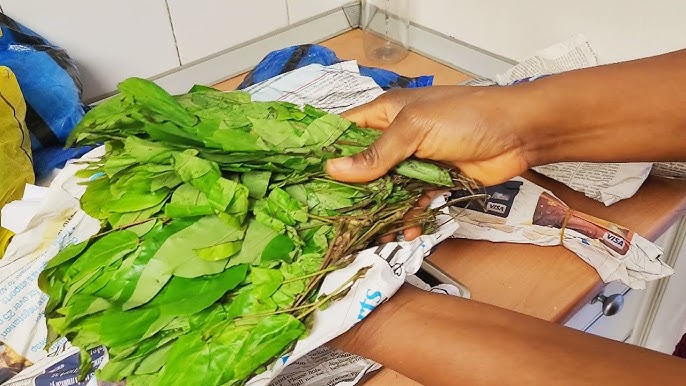
- Sukuma wiki (kale)
- Managu
- Terere (amaranth)
Remove and discard any vegetables that are damaged, rotten, or diseased.
After selection, chop the vegetables into smaller pieces to increase the surface area, allowing them to dry more efficiently.
Why Blanching Is Important
Many people wonder how dried vegetables retain their vibrant green color.
The answer is blanching.
Blanching vegetables in steam or boiling water reduces enzyme activity that causes the loss of color, flavor, and texture during storage.
Steam blanching is generally considered the better method because it:
- Preserves more nutrients.
- Prevents vegetables from sticking together during drying.
- Reduces enzyme activity more effectively.
If vegetables are not properly blanched, remaining enzymes can continue to deteriorate the product during storage.
Equipment Needed for Blanching
You’ll need:
- A knife
- A cutting board
- A large cooking pot with a lid
- A wire or metallic basket
- A large bowl of ice water
- A timer
Steam Blanching Method
Fill a large cooking pot halfway with water and add one tablespoon of salt.
Bring the water to a rolling boil.
Place the vegetables in a wire or metallic basket, ensuring that the basket does not touch the boiling water.
Cover the pot and steam the vegetables for approximately half of the required blanching time.
For sukuma wiki, managu, and amaranth, the vegetables should become wilted, soft, and heated through.
Remove the vegetables after about one and a half minutes.
If available, use a blower to cool them. This step is optional.
Place the vegetables on clean paper towels or clean cloths to remove excess moisture, then keep them covered to protect them from dust and insects until the entire batch is ready for drying.
Transfer the vegetables to the solar dryer as soon as possible.
Water Blanching Method
Bring a pot of water to a boil before adding the vegetables.
Allow kale, spinach, managu, and amaranth to remain in the boiling water for one to two minutes.
Immediately transfer the vegetables into cold water, preferably under running water, for the same amount of time.
This rapid cooling stops the cooking process and preserves quality.
If running water is unavailable, prepare two buckets of cold water and soak the vegetables for one to two minutes in each bucket.
After cooling, place the vegetables on clean towels or cloths to drain excess moisture, keeping them covered until they are ready for drying.
Constructing a Solar Dryer
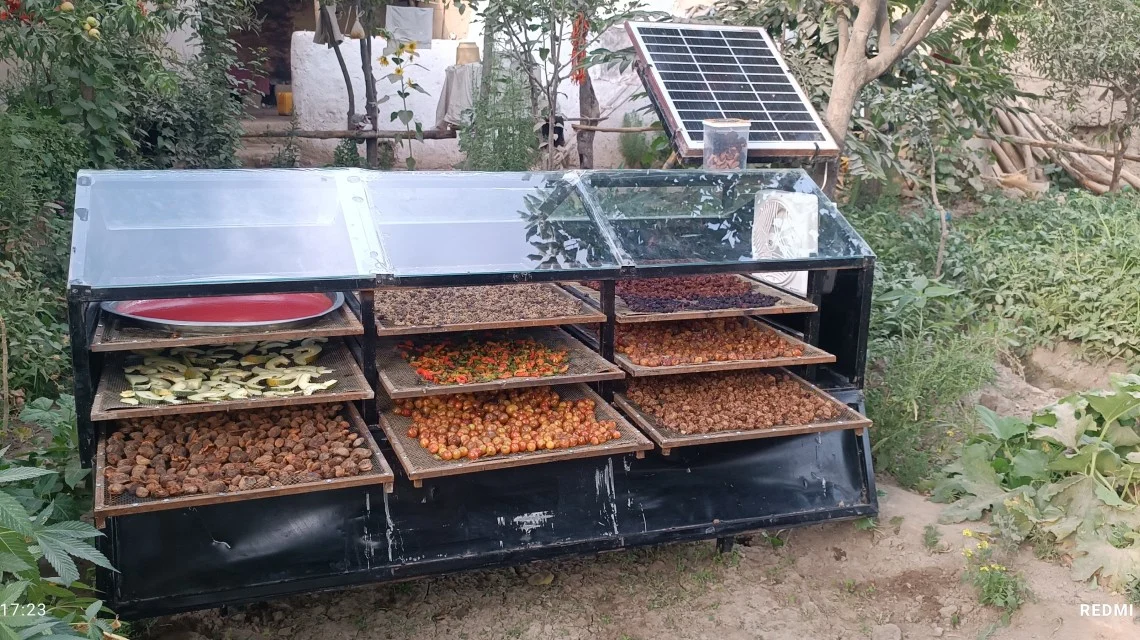
A basic box-type solar dryer can either be built by the farmer or constructed by a skilled artisan.
The dryer typically consists of:
- A wooden frame
- Wire mesh trays
- A transparent plastic cover
The size and portability of the dryer depend on its intended purpose and the available resources.
Loading the Drying Trays
Always use clean trays that are free from contaminants.
When drying large quantities, load vegetables onto the trays immediately after slicing to prevent them from sticking together in bowls and to begin the drying process as quickly as possible.
Arrange the vegetables close together, but avoid overlapping them.
Positioning the Solar Dryer
Place the dryer where it receives direct sunlight throughout the day.
Keep the transparent plastic cover clean, as dirt reduces drying efficiency and prolongs drying time.
Close the dryer doors after inserting each tray to prevent insects and flies from entering.
Drying the Vegetables
Turn the vegetables every six hours to ensure even drying.
During extremely hot weather, open the loading doors slightly—about 20 centimeters—and cover the opening with mosquito netting to maintain airflow while preventing insects from entering.
Close the doors again whenever conditions become cloudy.
Whenever possible, protect box-type dryers from rain. Rain interrupts the drying process and creates condensation, which can contaminate the vegetables.
Under hot weather conditions, fruits and vegetables generally dry completely after two full days.
The vegetables are ready when they feel crunchy.
If they still feel soft or contain moisture, continue drying them for another one or two hours.
Properly dried vegetables should contain approximately 10% moisture, a level that prevents enzyme activity and extends shelf life.
Unloading and Packaging
Unload the vegetables as soon as drying is complete.
Whenever possible, package the products while they are still inside the dryer. Otherwise, package them immediately after removal, as dried foods readily absorb moisture and are highly susceptible to pests.
Use airtight containers or airtight plastic bags.
Smaller packages reduce the risk of contamination after opening.
Glass containers are attractive for display but should always be stored away from direct sunlight.
Every package should be clearly labeled with:
- Company name
- Location
- Address
- Manufacturing date
- Expiry date
Store the finished products in a cool, clean, and dry place.
How Much Can Farmers Earn from Dried Vegetables?
Solar drying significantly increases the value of agricultural produce.
For example:
- 1 kilogram of fresh kale (sukuma wiki) may sell for only 10 shillings.
- 1 kilogram of dried kale can sell for 800–1,000 shillings.
Pumpkins also become much more valuable after drying.
A fresh pumpkin may sell for around 300 shillings, while the same pumpkin, once dried, can fetch approximately 1,500 shillings.
These examples demonstrate how value addition through solar drying can substantially increase farmers’ incomes while reducing food waste.
Final Thoughts
Solar drying is more than just a food preservation technique. It is a practical solution for reducing post-harvest losses, improving food security, and increasing farmers’ incomes.
By following proper hygiene practices, selecting quality vegetables, blanching correctly, and using a well-maintained solar dryer, farmers can produce nutritious, high-quality dried vegetables with a long shelf life.
For many farming communities across Africa, solar drying is transforming surplus harvests into profitable business opportunities while helping preserve food that might otherwise go to waste.