
How to keep lemons fresh is a question many home cooks ask after bringing home a large batch of lemons. While lemons are incredibly versatile in the kitchen, they can quickly become dry, shriveled, or moldy when stored improperly.
Fortunately, there are several proven methods that can help extend their shelf life. From simple refrigerator storage techniques to traditional preserved lemons that can last for an entire year, these methods make it possible to enjoy fresh, juicy lemons long after bringing them home from the market.
In this guide, you’ll learn how to keep lemons fresh using five practical storage methods that help reduce waste, save money, and ensure you always have lemons available whenever you need them.
Start with Proper Cleaning
Before storing lemons using any method, it’s important to clean them thoroughly.
Fresh lemons often arrive with dirt, residue, and a natural wax coating on the peel. Proper cleaning helps prepare the fruit for long-term storage and may improve preservation results.
Begin by filling a basin with clean water and placing the lemons inside. Gently rub each lemon with your hands to remove any visible dirt from the surface.
Next, prepare a bowl of warm water at approximately 86°F (30°C). Add one tablespoon of baking soda and stir until fully dissolved.
Place the lemons into the solution and allow them to soak for seven to ten minutes. This step helps clean the peel more thoroughly and removes any remaining residue.
After soaking, rinse the lemons with fresh water and transfer them to a basket or drying rack. Allow them to air dry completely in a well-ventilated area before proceeding with any storage method.
A dry surface is especially important because excess moisture can contribute to mold growth during storage.
Method 1: Preserve Whole Lemons in Salt Water
One of the simplest and most effective methods for extending the life of fresh lemons is storing them in a saltwater brine.
This technique keeps lemons hydrated while creating an environment that helps preserve freshness for several months.
What You’ll Need
- Fresh lemons
- Clean glass jar with a tight-fitting lid
- 1 quart (1 liter) water
- 2 tablespoons salt
How to Do It
Arrange the lemons inside a clean glass jar. Depending on the shape of the jar, you can place them upright or sideways.
Avoid packing them too tightly. Bruised or damaged peels can affect both quality and longevity.
In a separate bowl, dissolve two tablespoons of salt into one quart of water.
Pour the solution into the jar until all lemons are completely submerged.
Seal the container tightly and store it in a cool location away from direct sunlight.
Expected Storage Life
Using this method, lemons can remain fresh, juicy, and flavorful for approximately two to three months.
For households that use lemons regularly but not daily, this can be an excellent middle-ground solution.
Method 2: Wrap Individual Lemons for Refrigerator Storage
If you prefer not to use water or brine, individually wrapping lemons is another practical option.
This method works particularly well when you plan to use the fruit within a few weeks.
Why Wrapping Works
When exposed to air, lemons gradually lose moisture. This causes the peel to wrinkle, the fruit to shrink, and the flavor to deteriorate.
Wrapping each lemon individually creates a protective barrier that helps retain moisture and slows the drying process.
How to Store
Ensure the lemons are completely dry.
Wrap each lemon tightly with plastic wrap, pressing the wrap firmly against the peel to eliminate as much trapped air as possible.
Place the wrapped lemons inside a food-grade container and store them in the refrigerator’s crisper drawer.
The crisper drawer provides the ideal combination of humidity and temperature for citrus fruits.
Expected Storage Life
Properly wrapped lemons can stay fresh and juicy for approximately two to three weeks.
This method is simple, convenient, and requires very little preparation.
Method 3: Make Traditional Preserved Lemons
If your goal is long-term storage, preserved lemons are arguably the best option.
This traditional preservation technique not only extends shelf life but also transforms the lemons into a unique ingredient with a rich, complex flavor.
Preparing the Lemons
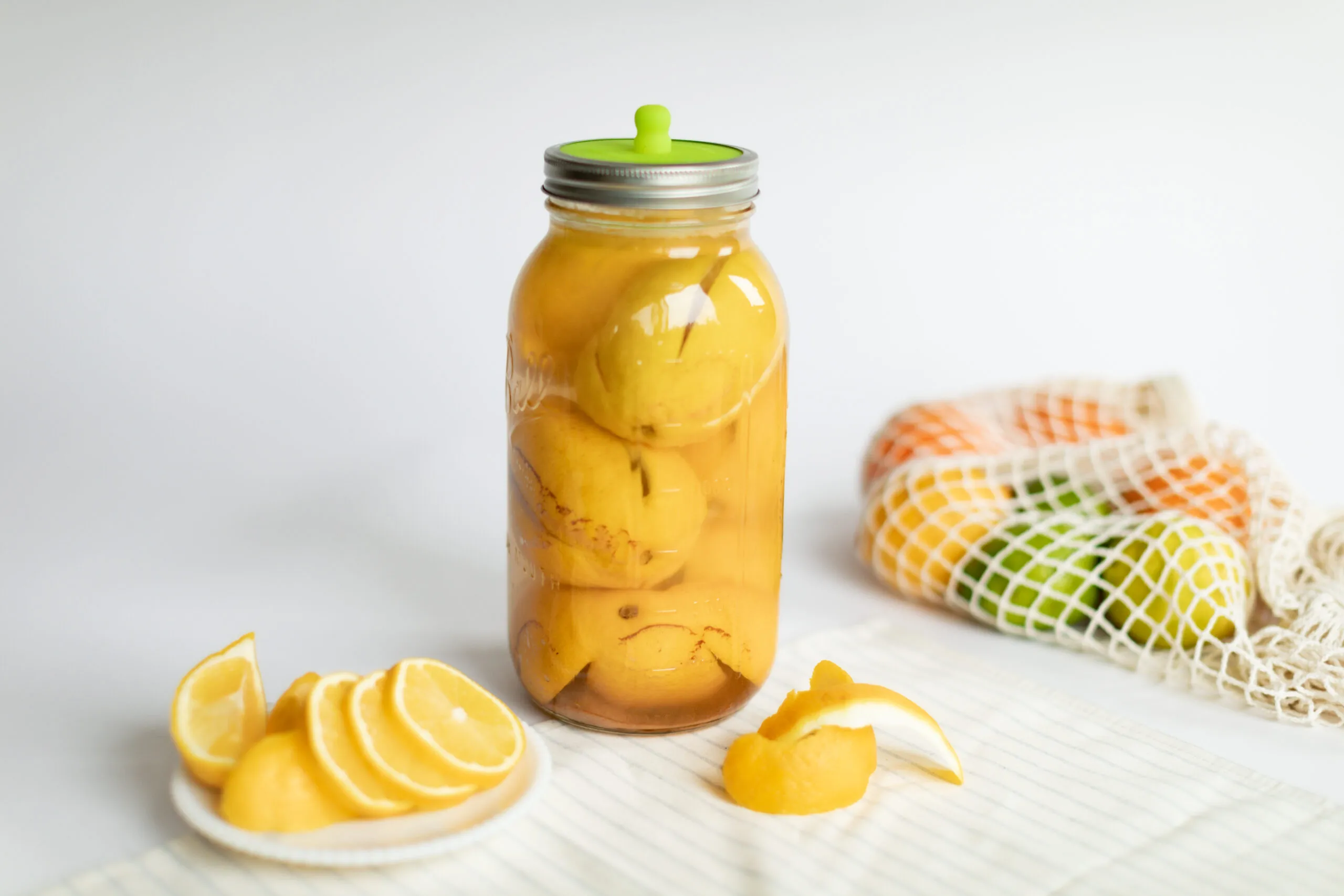
Place each lemon on a cutting board and make an X-shaped cut across the top.
Do not cut completely through the fruit. The lemon should remain attached at the bottom.
Repeat with all remaining lemons.
Add Salt
Fill the cuts with approximately one teaspoon of salt per lemon.
The salt is essential because it draws out moisture and supports the fermentation process.
Pack the Jar
Place the salted lemons into a clean glass jar.
As you add each lemon, press gently downward to help distribute the salt throughout the container.
Continue until the jar is nearly full.
Optional Flavor Enhancements
For additional aroma and depth, you can add:
- Black peppercorns
- Fresh ginger slices
These ingredients complement the citrus flavor beautifully.
Add Water and Ferment
Pour filtered water into the jar until all lemons are completely submerged.
Seal the jar tightly.
Leave it at room temperature for three to four weeks.
During fermentation, occasionally rotate or gently shake the jar to redistribute the salt.
Once fermentation is complete, transfer the jar to the refrigerator.
Expected Storage Life
Preserved lemons can remain usable for up to one year.
Over time, the peel becomes soft, fragrant, and far less acidic than fresh lemon peel.
The flavor develops into something entirely unique—bright, savory, and deeply aromatic.
Method 4: Freeze Lemon Juice in Ice Cube Trays
Many people don’t necessarily need whole lemons. Often, they simply need fresh lemon juice for tea, cooking, or beverages.
In those cases, freezing the juice is one of the most efficient storage solutions available.
Step 1: Juice the Lemons
Cut each lemon in half and squeeze out the juice.
Collect the juice in a bowl or measuring cup.
Step 2: Fill Ice Cube Trays
Pour the lemon juice into ice cube trays.
Each cube becomes a convenient pre-portioned serving that can be used whenever needed.
Step 3: Freeze
Place the trays into the freezer until fully frozen.
Once frozen, you can leave the cubes in the tray or transfer them to freezer-safe bags.
Easy Everyday Uses
Frozen lemon cubes are perfect for:
- Honey lemon tea
- Warm lemon water
- Smoothies
- Salad dressings
- Marinades
- Sauces
Simply drop a cube into warm water, add a spoonful of honey, and enjoy an instant lemon drink.
Benefits
This method minimizes waste, saves preparation time, and ensures fresh lemon juice is always available.
Method 5: Freeze Whole Lemons
If you buy lemons in bulk, freezing them whole can be a surprisingly effective solution.
How to Freeze Whole Lemons
Place the lemons into freezer-safe ziplock bags.
Arrange them neatly instead of stacking them on top of one another.
If you have a large quantity, divide them among several smaller bags.
This helps them freeze more evenly and makes it easier to remove only the amount you need later.
Before sealing, remove as much air as possible from the bag.
Once sealed, place the bags directly into the freezer.
Expected Storage Life
Whole frozen lemons can remain preserved for up to six months.
This method works especially well for cooking, juicing, and baking applications.
Which Lemon Storage Method Is Best?
Each preservation method serves a different purpose.
If you want several months of freshness while keeping lemons whole, the saltwater method is an excellent choice.
If you only need short-term refrigerator storage, wrapping lemons individually works remarkably well.
For maximum shelf life and enhanced flavor, preserved lemons are the clear winner.
If convenience is your priority, frozen lemon juice cubes provide ready-to-use portions whenever needed.
And if you purchase lemons in bulk, freezing whole lemons offers a simple long-term storage solution.
The best method ultimately depends on how you use lemons in your daily routine.
Final Thoughts
Fresh lemons are too valuable to let go to waste.
Whether you use them for cooking, baking, beverages, or everyday wellness routines, having a reliable storage strategy can save money and ensure you’re never without fresh citrus when you need it.
The five methods outlined above provide practical options for every household. From simple refrigerator storage to year-long preservation through fermentation, each technique offers a different balance of convenience, longevity, and flavor.
If you’ve ever opened your refrigerator only to discover dried-out lemons destined for the trash, now is the perfect time to try one of these methods.
With a little preparation, you can keep lemons fresh for weeks, months, or even an entire year.