
Food doesn’t last. In a matter of days, or sometimes even hours, bread goes moldy, apple slices turn brown, and bacteria multiply in mayonnaise. Yet, you can find all of these foods out on the supermarket shelf, perfectly unspoiled. To understand how this happens, we have to look behind the curtain and ask a fundamental question: What are preservatives, how do they help keep our food edible, and are they actually safe? To break down how these additives protect our groceries, we first have to look at the two major factors that cause food to go bad: microbes and oxidation.
The Two Main Enemies of Fresh Food
1. Microbes
Microbes like bacteria and fungi invade food and feed off its nutrients. Some of these invaders can cause serious foodborne diseases, like listeria and botulism. Others aren’t necessarily dangerous, but they still turn your edibles into a smelly, slimy, moldy mess.
2. Oxidation
Oxidation is a chemical change in food molecules caused by enzymes or free radicals. This process turns fats rancid and browns fresh produce, like apples and potatoes.
Preservatives are designed to step in and prevent both types of deterioration.
Antimicrobial Preservatives: Stopping the Microbes
Before the invention of artificial refrigeration, fungi and bacteria could run rampant in our food supply. To fight back, humans found ways to create an inhospitable environment for these microscopic pests.
Harnessing Acid and Fermentation
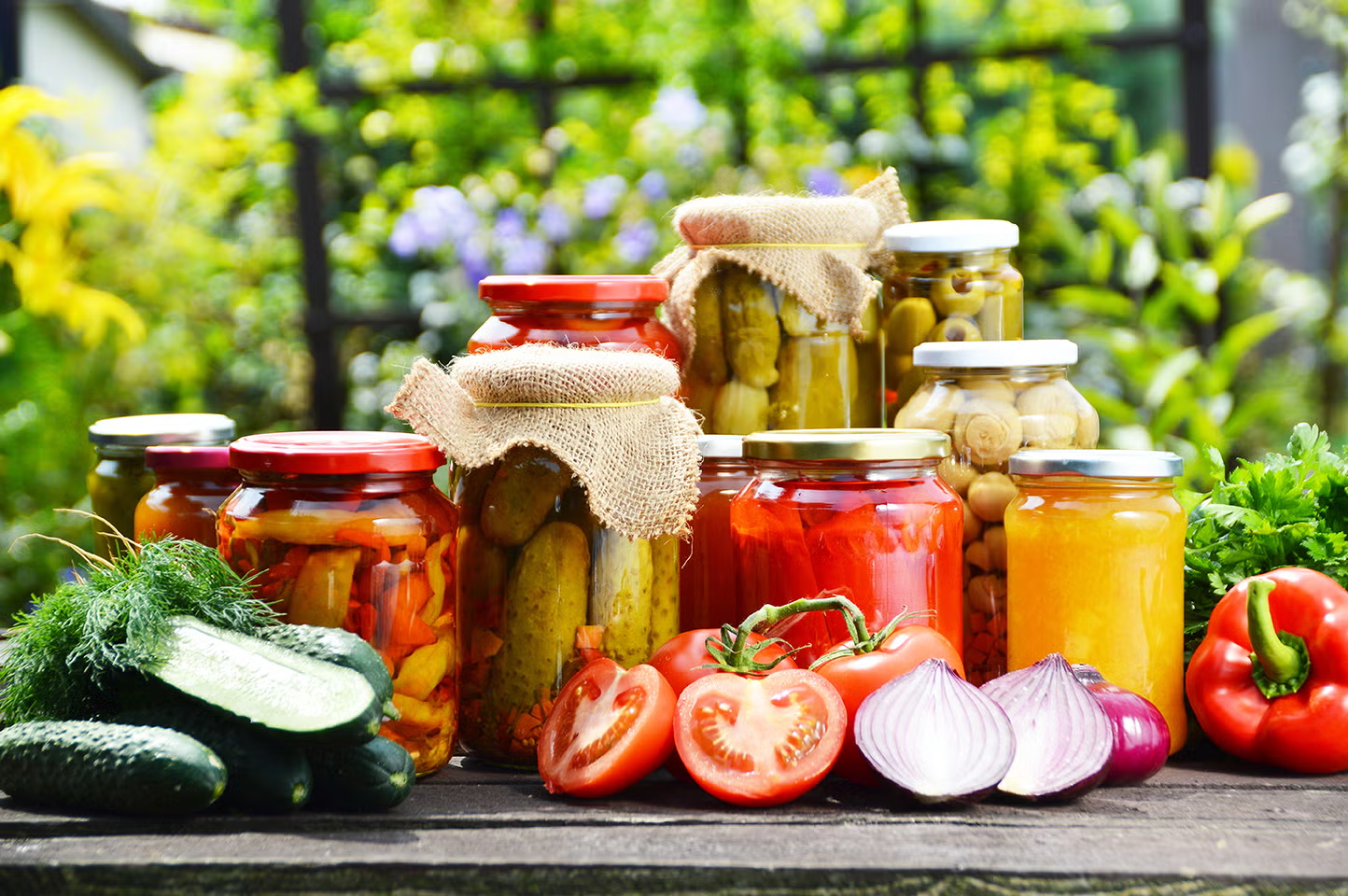
Making food more acidic unravels the enzymes that microbes need to survive. Interestingly, some types of bacteria can actually help us achieve this. For thousands of years, people have preserved food using beneficial bacteria that produce lactic acid. This acid turns highly perishable vegetables and milk into longer-lasting foods—giving us sauerkraut in Europe, kimchi in Korea, and yogurt in the Middle East. As an added bonus, these cultured foods populate your digestive tract with beneficial microbes.
Many modern synthetic preservatives rely on this exact same principle of acidity. Look at an ingredient list and you’ll often see:
-
Benzoic acid in salad dressings
-
Sorbic acid in cheese
-
Propionic acid in baked goods
Are they safe? Some studies suggest that benzoates (which are related to benzoic acid) might contribute to hyperactive behavior, but the results aren’t conclusive. Otherwise, these organic acids appear to be perfectly safe.
The Power of Salt and Sugar
Another classic antimicrobial strategy is to add large amounts of sugar (like in jam) or salt (like in cured meats).
Sugar and salt bind tightly to water molecules. By holding onto the water that microbes need to grow, they actually suck the moisture right out of any bacterial cells hanging around, effectively destroying them. Of course, consuming too much sugar and salt can increase your risk of heart disease, diabetes, and high blood pressure, so these traditional preservatives are always best enjoyed in moderation.
Nitrates and Nitrites
Antimicrobial nitrates and nitrites are frequently found in cured meats to ward off the deadly bacteria that cause botulism. However, they may carry other health risks. Some studies linking cured meats to cancer suggest that these specific preservatives might be the underlying culprit.
Antioxidant Preservatives: Battling Chemical Changes
While antimicrobials fight living organisms, antioxidant preservatives prevent the chemical changes that give food an off-flavor or unappealing color.
Wood Smoke
Smoke has been used to preserve food for millennia because some of the aromatic compounds in wood smoke are natural antioxidants. Combining smoking with salting was the definitive way to preserve meat before modern refrigeration existed.
Modern Solutions: What Are Preservatives’ Antioxidant Traits?
For antioxidant activity without a heavy, smoky flavor, scientists use targeted compounds like BHT and tocopherol (better known as vitamin E). Much like the compounds found in smoke, these substances sop up free radicals and stave off the rancid flavors that naturally develop over time in oils, cheeses, and cereals.
Other antioxidants, like citric acid and ascorbic acid (vitamin C), help cut produce retain its original color by thwarting the specific enzymes responsible for browning.
[Antioxidant Preservatives] ---> Neutralize Free Radicals & Enzymes ---> Prevents Browning & Rancidity
Multitasking Compounds
Some compounds, like sulfites, can multitask by acting as both antimicrobials and antioxidants simultaneously. While sulfites can trigger allergy symptoms in certain sensitive individuals, most antioxidant preservatives are generally recognized as safe for the wider public.
Should You Be Worried About Preservatives?
Generally speaking, when analyzing what are preservatives and their safety, they are usually found near the very end of a product’s ingredient list. This is because they are used in incredibly small amounts—thresholds strictly determined by the FDA to be safe for consumption.
Nevertheless, consumer demand is pushing companies to find new alternatives. High-tech packaging tricks, such as reducing the oxygen environment inside a bag or container, can significantly help extend freshness. However, without some form of chemical assistance, there are very few foods that can stay shelf-stable for long.