
Protecting Farmers: Innovations in Conflict-Affected Agricultural Regions
The global agricultural landscape faces numerous challenges, not least among them the devastating impact of conflict and insecurity on farming communities. For many farmers, particularly in regions like Nigeria, the act of cultivating land is fraught with danger, threatening livelihoods, food supply, and even lives. This article delves into the harrowing realities faced by Nigerian farmers and explores an innovative, technology-driven solution aimed at mitigating these pervasive threats.
The Unseen Battle: Conflict’s Toll on Nigerian Agriculture
Nigeria, a nation heavily reliant on its agricultural sector, experiences a profound and often understated crisis stemming from rural insecurity. With 95% of the country’s food produced in rural areas, any disruption there has a cascading effect on national food security.
A Decade of Danger
For over a decade, Nigerian rice farmer and peace advocate, Rotimi Williams, has navigated these treacherous conditions. Despite achieving significant milestones, including being featured in Forbes and major news outlets, his progress has been repeatedly undermined by conflict. His personal experiences vividly illustrate the severity of the situation:
- Near-fatal encounters: Reportedly shot at twice in 2015 and subjected to five kidnapping attempts in 2020.
- Widespread violence: Rural areas are plagued by communal clashes, banditry, killings, and kidnapping, alongside the insurgency of Boko Haram in the Northeast.
The True Cost of Insecurity
The impact of this insecurity extends far beyond individual farmers. It manifests as a systemic threat to the nation’s food production capacity.
- Diminished production: Farmers, fearing for their safety, abandon larger, more productive farms for smaller plots closer to their homes. This often results in an 80% reduction in their farming capacity.
- Escalating fatalities: In 2016 alone, 75 farmers were tragically killed in a single state, highlighting the extreme risks involved.
- Communication breakdown: A critical issue is the lack of effective communication between vulnerable rural communities and security forces, leading to delayed or non-existent responses during attacks.
Resolute 4.0: A Technological Lifeline for Farmers
Recognizing this dire communication gap, Rotimi Williams spearheaded the development of Resolute 4.0, an innovative application designed to empower farmers and bridge the divide with security agencies.
Bridging the Gap: The App’s Core Functionality
Launched in 2019, Resolute 4.0 was initially conceived as a pilot project but quickly became an indispensable tool due to sustained demand. The app features simple, color-coded buttons, making it accessible even to those who are illiterate.
- Panic Alert: Instantly notifies security agencies of an emergency, providing critical location data.
- Track Me: Allows farmers to share their real-time location for safety and monitoring.
- Call Me: Facilitates direct communication when feasible.
- Capture Button: Enables users to document incidents.
- Geo-tagging: Farmers can mark dangerous areas, providing valuable intelligence for security forces.
Beyond Security: Enhancing Agricultural Trade
The vision for Resolute 4.0 extends beyond immediate security, aiming to create lasting value for farmers.
- Marketplace Integration: Future iterations will include a marketplace function, allowing farmers to sell produce directly through the app, ensuring fair pricing and immediate value.
- Data-Driven Agriculture: The app’s mapping function collects data on farm locations, providing crucial insights for government and international organizations to better support agricultural development.
Overcoming Obstacles and Pioneering Future Solutions
Despite its success, Resolute 4.0 faces challenges, primarily a lack of consistent official support and funding. However, the team continues to innovate, undeterred.
Addressing Connectivity and Integration
- Satellite Technology: Collaborations with US companies are underway to integrate satellite technology, ensuring data transmission from areas without cellular network coverage.
- Drone Integration: Partnerships with drone technology companies, like Shibel, will enable remote investigation of panic alerts, coordinate generation for ground forces, and eventually facilitate “farm patrols” based on attack frequency and location data.
- AI for Conflict Prediction: Future plans include leveraging collected data with AI to identify conflict trends and predict potential attacks, enabling proactive security measures.
The Human Cost and the Call for Support
Rotimi Williams’s personal sacrifice and the stories of countless farmers underscore the urgent need for action.
- Mental Health Impact: The constant exposure to violence and tragedy takes a severe toll on mental health, with Williams himself seeking help for anxiety.
- Real-Life Tragedies: Stories like Margaret, a maize farmer shot on her farm, or the pepper farmer who survived an attack with multiple projectiles, highlight the life-threatening situations farmers encounter daily. Resolute 4.0 has often borne the cost of their medical treatments due to victims’ inability to pay.
- Self-Funded Resilience: Operating without government or major organizational funding, Resolute 4.0 is sustained by the dedication of individuals like Rotimi, who are driven by the profound impact they make.
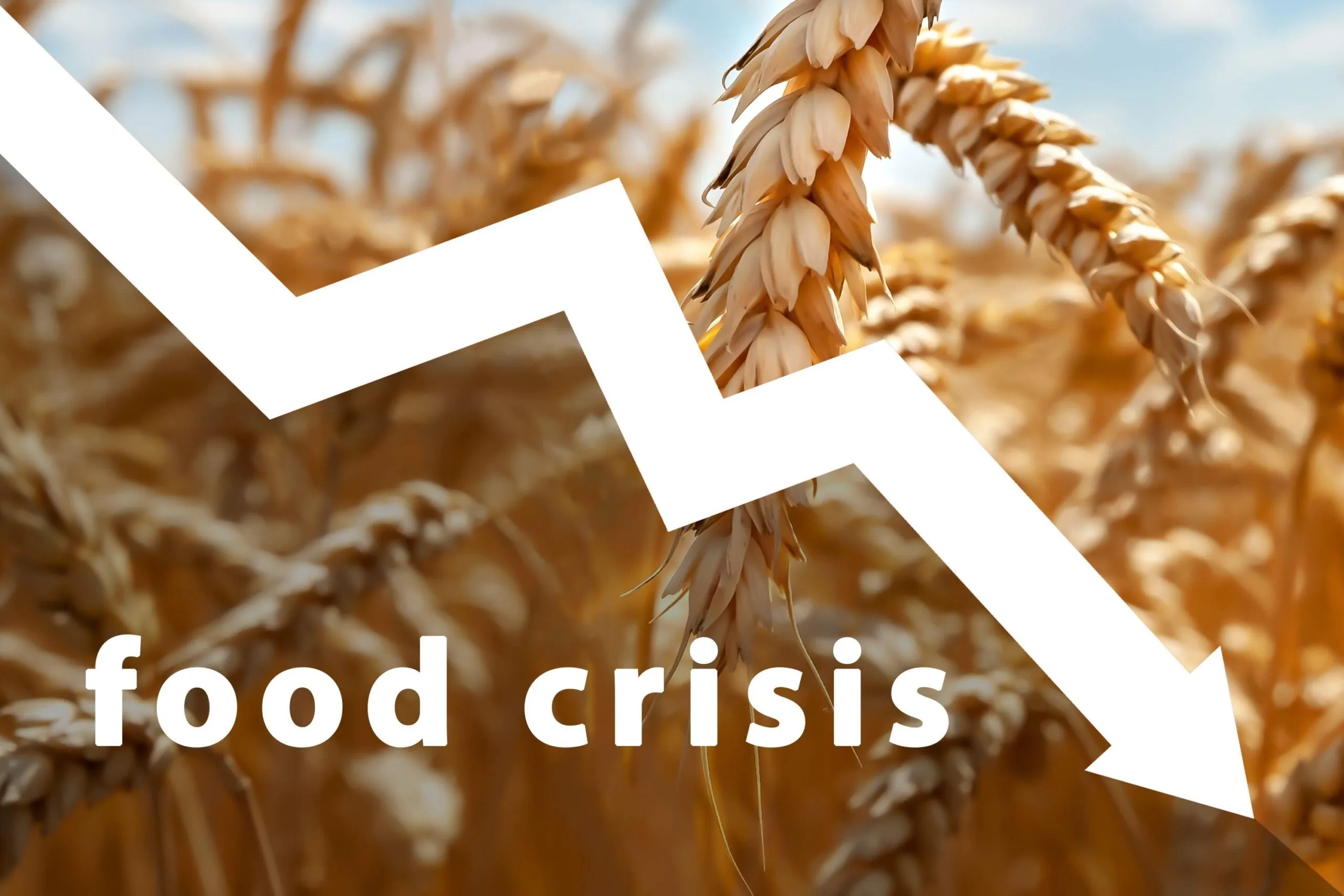
The crisis in Nigerian agriculture is not merely an economic issue; it is a humanitarian one. Without a concerted effort to address conflict, no amount of technological advancement or investment will genuinely transform the sector. Platforms like the Global Farmer Network are vital in bringing these critical stories to global attention, urging international communities and governments to recognize and support solutions that protect those who feed the world.