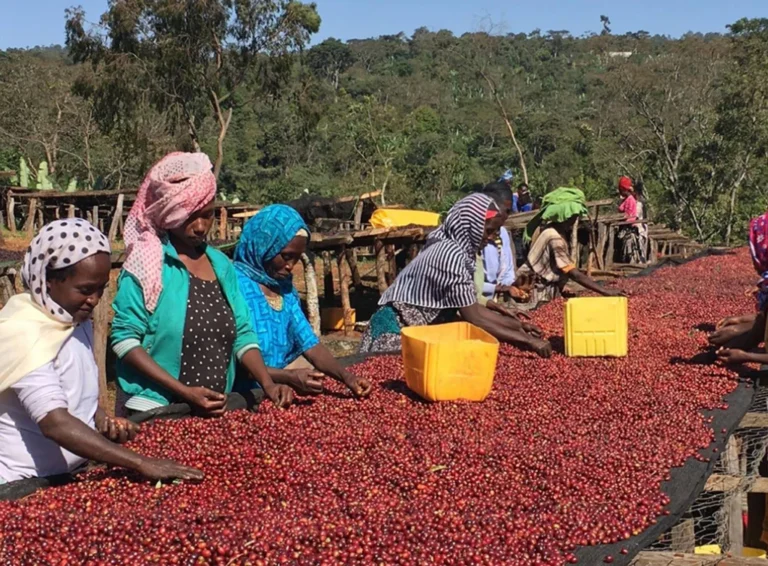
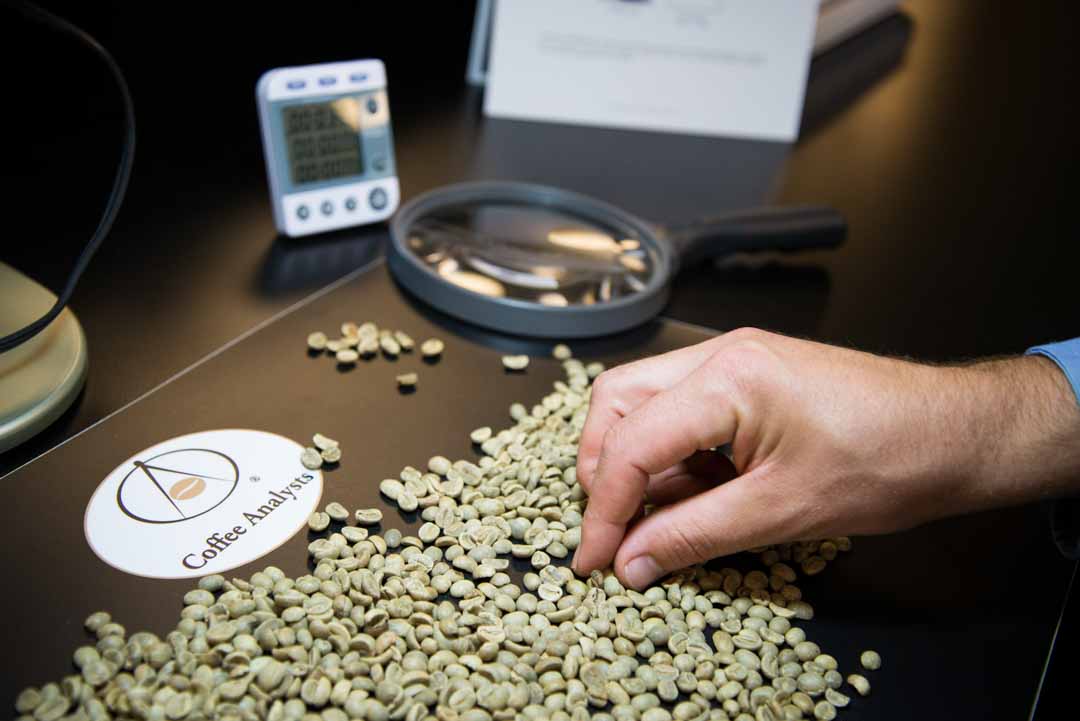

Coffee processing experiments are one of the most effective ways to improve the sensory and physical quality of coffee beans. By carefully designing and monitoring an experiment, coffee producers can discover processing methods that enhance flavor, increase consistency, and meet specific market demands.
Whether your goal is to produce coffee for specialty competitions or supply larger commercial markets, a well-planned experiment helps you make informed decisions based on measurable results rather than guesswork.
Why Coffee Processing Experiments Matter
By implementing and designing a coffee processing experiment, you can evaluate both the sensory and physical quality of the coffee beans you process. Before starting, it is important to ask yourself five key questions that will shape your experiment and determine its success.
1. Define Your Goal
The first question is simple: What do you want to achieve with this coffee? Are you trying to:
- Sell coffee in larger commercial volumes?
- Produce specialty coffee for competition-level quality?
- Develop unique flavor profiles for premium buyers?
Clearly defining your objective will influence every decision you make throughout the processing experiment.
2. Evaluate Your Processing Facilities
Next, assess the resources available for your coffee processing operation. Consider questions such as:
- How much space is available for coffee processing?
- How much drying space do you have?
- Can your facility handle the volume of coffee cherries you expect to receive?
Understanding your operational capacity allows you to design realistic experiments that can be successfully completed.
3. Learn from Other Coffee Professionals
Coffee-producing regions around the world continuously develop new processing techniques and innovations. Connecting with coffee professionals in other producing countries allows you to learn from their experiences before testing new ideas yourself. By understanding current trends and successful processing methods, you can design better experiments and work toward creating distinctive flavor profiles.
4. Design Your Coffee Processing Experiment
Once you have gathered enough information, it’s time to create your own coffee processing experiment. Define the variables you plan to measure throughout the process. These may include:
- Temperature
- Time
- Processing method
- Environmental conditions
Carefully monitoring how these variables change during processing will help you understand how they influence the final flavor characteristics of the coffee.
5. Keep Detailed Records
Record keeping is one of the most important parts of any coffee processing experiment. Document every step you perform during processing so you can later evaluate:
- Whether your objective was achieved
- Which techniques worked well
- Which adjustments should be made in future experiments
- The key steps responsible for improving coffee quality
Without accurate records, it becomes difficult to repeat successful results or identify what caused unsuccessful outcomes.
Establish a Control Sample
Every experiment should include a control. A control allows you to compare your experimental processing method with a standard reference. This comparison helps determine whether your changes actually improved the coffee or whether the differences occurred by chance. Having a control makes your conclusions more reliable and your processing decisions more objective.
Evaluate Coffee Through Sensory Analysis
Coffee evaluation is an essential part of every processing experiment. If you are unable to cup the coffees yourself, it is advisable to work with experienced coffee professionals who can evaluate your processed coffees. Ideally, the coffees should be assessed by a Q Arabica Grader, who has specialized training in identifying coffee quality characteristics. Their evaluation provides valuable feedback that can guide future processing decisions.
If access to a certified grader is not possible, begin training in coffee cupping yourself and collaborate with trusted partners and coffee professionals within your region. Sharing knowledge and evaluation results helps improve both your understanding and your processing techniques.
Monitor the Variables That Influence Quality
When designing your experiment, remember that several variables directly affect the final outcome. Pay close attention to factors such as:
- pH
- Temperature
- Time
These variables should be measured and recorded throughout the experiment because even small changes can significantly influence the final flavor profile and overall coffee quality.
Final Thoughts
Coffee processing experiments provide coffee producers with a structured way to improve quality, develop distinctive flavor profiles, and better meet customer expectations. By defining clear objectives, evaluating your facilities, learning from industry professionals, carefully designing your experiment, maintaining detailed records, establishing a control, and performing thorough sensory analysis, you can make informed decisions that consistently improve your coffee.
Successful coffee processing is built on observation, measurement, and continuous learning. The more carefully each experiment is planned and documented, the greater the opportunity to produce exceptional coffee and achieve long-term success.