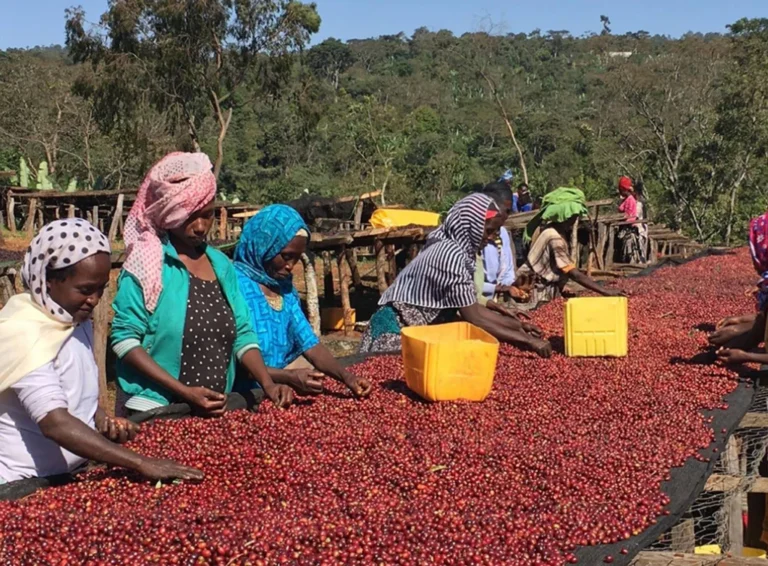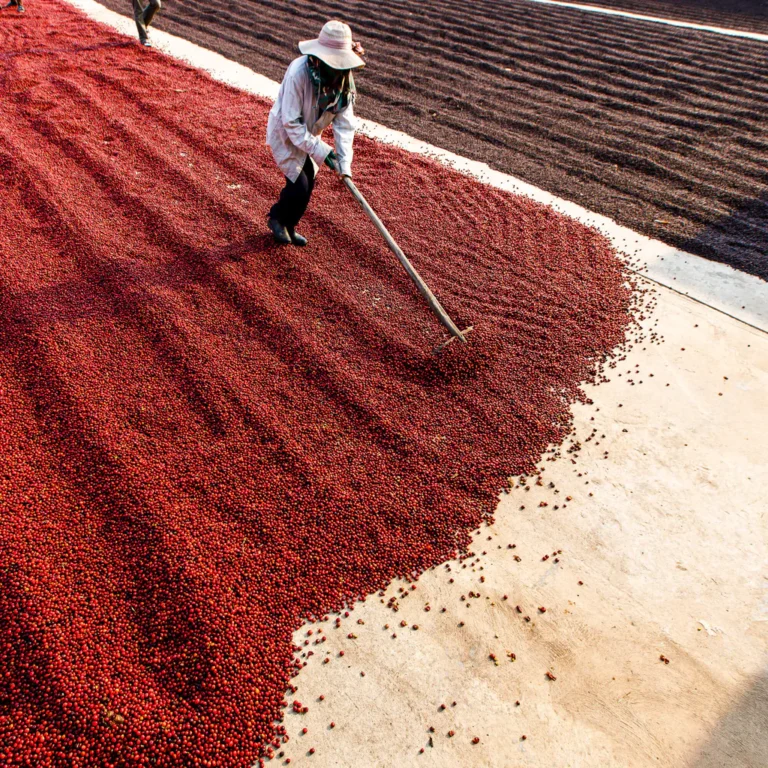
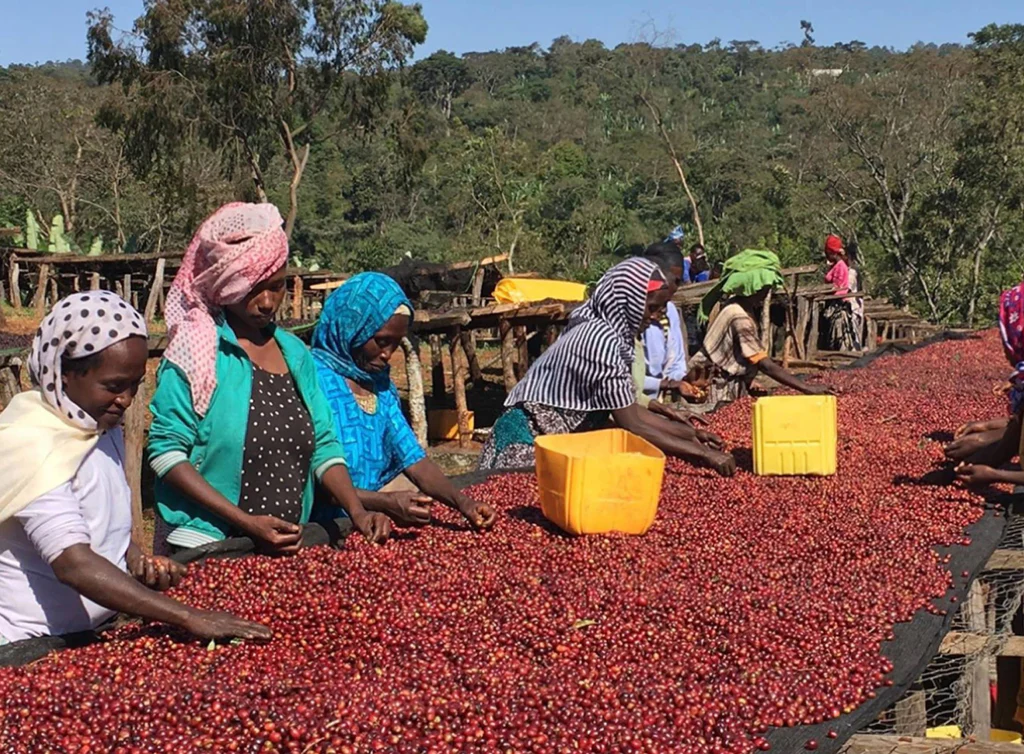

Coffee cherry picking is the most important step in maximizing the quality of any coffee beverage. The quality of the final cup begins in the field, making careful harvesting essential. Once coffee cherries are picked, they immediately begin to deteriorate, so they should be processed as quickly as possible to preserve their freshness and quality.
Harvesting practices vary around the world depending on the landscape and growing conditions. In Sri Lanka, however, coffee is primarily harvested by hand. Manual harvesting provides an excellent opportunity to select only the ripest cherries, which is one of the key requirements for producing specialty coffee.
Why Coffee Cherry Picking Is So Important
The quality of harvested cherries directly affects the flavor of the final beverage. Ripe cherries contain the ideal balance of sugars and other compounds needed to produce exceptional coffee.
Rather than harvesting every cherry on the tree, producers should focus on collecting only those that have reached optimal ripeness. Green cherries should remain on the tree so they can continue maturing naturally.
How to Identify the Ripest Coffee Cherries
One of the most reliable indicators of ripeness is the sugar content found in the coffee cherry’s mucilage. To measure this, producers can use a refractometer, an instrument that determines sugar concentration by measuring how light passes through the juice extracted from the coffee cherry.
Using a Refractometer
Using a refractometer is straightforward:
- Open the refractometer cover.
- Squeeze the juice from a freshly picked coffee cherry onto the glass surface.
- Ensure the juice completely covers the measuring area.
- Close the lid.
- Look through the viewing lens.
Before adding the juice, the viewing area appears completely blue. Once the coffee juice is applied, a white line appears, indicating the sugar content measured in degrees Brix. During this demonstration, the harvested cherries measured 7° Brix.
Understanding Brix Measurements
When cherries are measured across different stages of ripeness—from underripe to overripe—their sugar content changes noticeably. The stage with the highest sugar content generally represents the ideal ripeness for harvesting.
Keep in mind that weather conditions can influence Brix readings. After rainfall, for example, the sugars in the mucilage become slightly diluted, resulting in lower readings.
Under normal conditions, ripe coffee cherries typically measure between 15° and 28° Brix, depending on the coffee variety and growing region.
Instead of relying on a single reading, it is best to measure cherries throughout the entire ripeness spectrum. This helps determine the ideal color range that corresponds to peak sugar content.
Establishing a Color Standard for Harvesting
Once the ideal ripeness has been identified, producers can establish a color guide for coffee pickers. By selecting a narrow range of ripe cherry colors, workers can easily recognize which cherries should be harvested. This simple visual guide improves consistency and ensures that only properly ripened cherries are collected.
Cleaning the Refractometer
To maintain accurate measurements, always clean the refractometer after each use. Distilled water is recommended, although the cleanest available water can also be used to remove any remaining coffee juice before taking another measurement.
Training and Incentivizing Coffee Pickers
After determining the ideal ripeness standard, it is important to train coffee pickers to focus exclusively on harvesting ripe cherries.
Different regions have different harvesting practices, but regardless of location, green cherries should be left on the tree until they fully mature. Providing clear instructions and proper training helps improve the consistency and quality of harvested coffee.
Evaluating Harvest Quality
When the harvested cherries arrive at the processing facility, their quality should be assessed. Under ideal conditions, the harvest should consist of:
- Approximately 90% ripe cherries
- All dried cherries removed from the trees
- No more than 10% underripe and green cherries
Maintaining these standards significantly improves the quality of the final coffee.
How Green Cherries Affect Coffee Flavor
Processing underripe or green cherries can negatively affect the cup profile. From experience in Sri Lanka, green cherries often produce dry, peanut-like flavors that are undesirable in specialty coffee. Careful harvesting minimizes these defects and contributes to a cleaner, sweeter cup.
Reward Skilled Coffee Pickers
Coffee producers should reward workers who consistently harvest high-quality cherries. Increasing payment for careful harvesting encourages pickers to maintain high standards and motivates others to improve their performance. Incentive programs benefit both producers and workers by improving overall crop quality.
Best Practices for Coffee Cherry Picking
To maximize coffee quality during harvest, follow these recommendations:
- Harvest only fully ripe cherries.
- Leave green cherries on the tree to mature naturally.
- Remove dried cherries from the tree during harvesting.
- Avoid damaging the nodes, as they produce future coffee cherries.
- Harvest by pulling cherries downward instead of upward to reduce branch damage and maintain proper light exposure.
- Place harvested cherries carefully into baskets.
- Transport cherries to the wet mill as quickly as possible after harvesting.
- If cherries fall to the ground, collect them immediately.
- Remove dried cherries because they can become breeding sites for pests.
Final Thoughts
Coffee cherry picking is the foundation of high-quality coffee production. Every decision made during harvest directly affects the flavor, consistency, and value of the final product. By identifying the ideal ripeness using a refractometer, training pickers, rewarding quality harvesting, and following proper harvesting techniques, producers can significantly improve coffee quality and consistently meet specialty coffee standards.
Careful coffee cherry picking is not simply the first step in coffee processing—it is one of the most important investments a producer can make in achieving exceptional coffee.