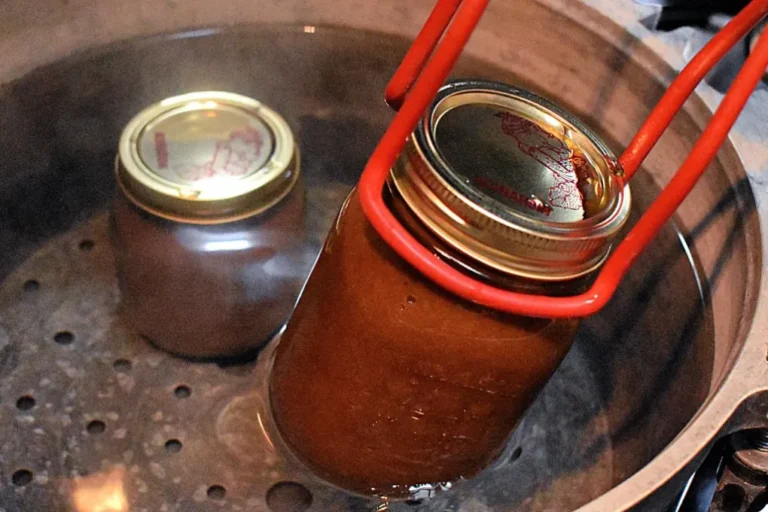


Food preservatives how they work is a key concept in food science that explains how ingredients like salt, sugar, sulfites, and benzoic acid extend the shelf life of food and prevent spoilage.
Food preservation has been used for centuries, but modern food science now explains exactly how these substances control microbial growth and keep food safe for long periods. Understanding this process helps clarify why packaged foods remain stable on shelves and in storage for months or even years.
What Are Food Preservatives?
Food preservatives are substances added to food to slow down or completely prevent spoilage. Their main role is to extend shelf life while maintaining food quality, taste, and safety.
They fall under a broader category known as food additives, which include ingredients such as:
- Preservatives
- Antioxidants
- Enzymes
- Colorings
- Stabilizers
Among these, preservatives are specifically responsible for controlling the growth of microorganisms like bacteria, yeast, and mold.
Why Food Spoils
Food spoils mainly because of microbial activity. Microorganisms naturally exist in the environment and grow when conditions are favorable.
For spoilage to occur, microbes need:
- Water
- Nutrients
- Suitable temperature
When any of these are controlled or limited, food lasts significantly longer.
This is where preservatives become essential.
How Food Preservatives Work
There are two main scientific mechanisms behind food preservatives how they work in food systems.
1. Controlling Water Activity
One of the most common ways preservatives work is by reducing available water in food.
Microorganisms require water to survive and multiply. When substances like salt or sugar are added, they bind to water molecules and reduce the amount of free water available.
This process limits microbial growth.
As a result:
- Bacteria grow more slowly
- Mold development is reduced
- Food stays fresh longer
This is one of the oldest and most effective preservation techniques in human history.
2. Disrupting Microbial Cells
The second mechanism involves direct interaction with microbial cells.
Some preservatives are small enough to penetrate bacterial or fungal cells. Once inside, they interfere with vital functions such as:
- Enzyme activity
- Metabolic processes
- Cell structure stability
When these systems are disrupted, microorganisms can no longer survive or reproduce.
In some cases, the damage becomes severe enough that the cell breaks apart completely.
Preservatives such as sulfites and certain acids work through this method.
The Science Behind Food Preservation
The effectiveness of food preservatives how they work lies in combining both water control and microbial disruption. Together, these processes create an environment where food becomes extremely difficult for microorganisms to spoil.
This is why preserved foods can remain stable for long periods without losing safety or quality.
Importance of Food Preservatives
Food preservatives play a critical role in modern food systems. Without them, large-scale food distribution and long-distance storage would not be possible.
They help to:
- Extend shelf life
- Maintain food safety
- Reduce food waste
- Improve storage efficiency
From household kitchens to industrial food production, preservatives are essential for food stability.
Conclusion
Food preservatives play a vital role in modern food safety and storage. By either reducing water availability or interfering with microbial activity, they significantly slow down spoilage and help maintain food quality over time.
From traditional ingredients like salt and sugar to modern compounds like sulfites and benzoic acid, these substances ensure that food remains safe, stable, and consumable for longer periods.
Understanding food preservatives how they work provides insight into one of the most important areas of food science. Through controlling water activity and disrupting microbial life, preservatives ensure that food remains safe, stable, and consumable for longer periods.
Whether natural like salt and sugar or chemical like sulfites and benzoic acid, all preservatives serve the same fundamental purpose: preventing spoilage and extending shelf life.