
Unlocking the Billion-Dollar Potential of Nigeria’s Cassava Industry
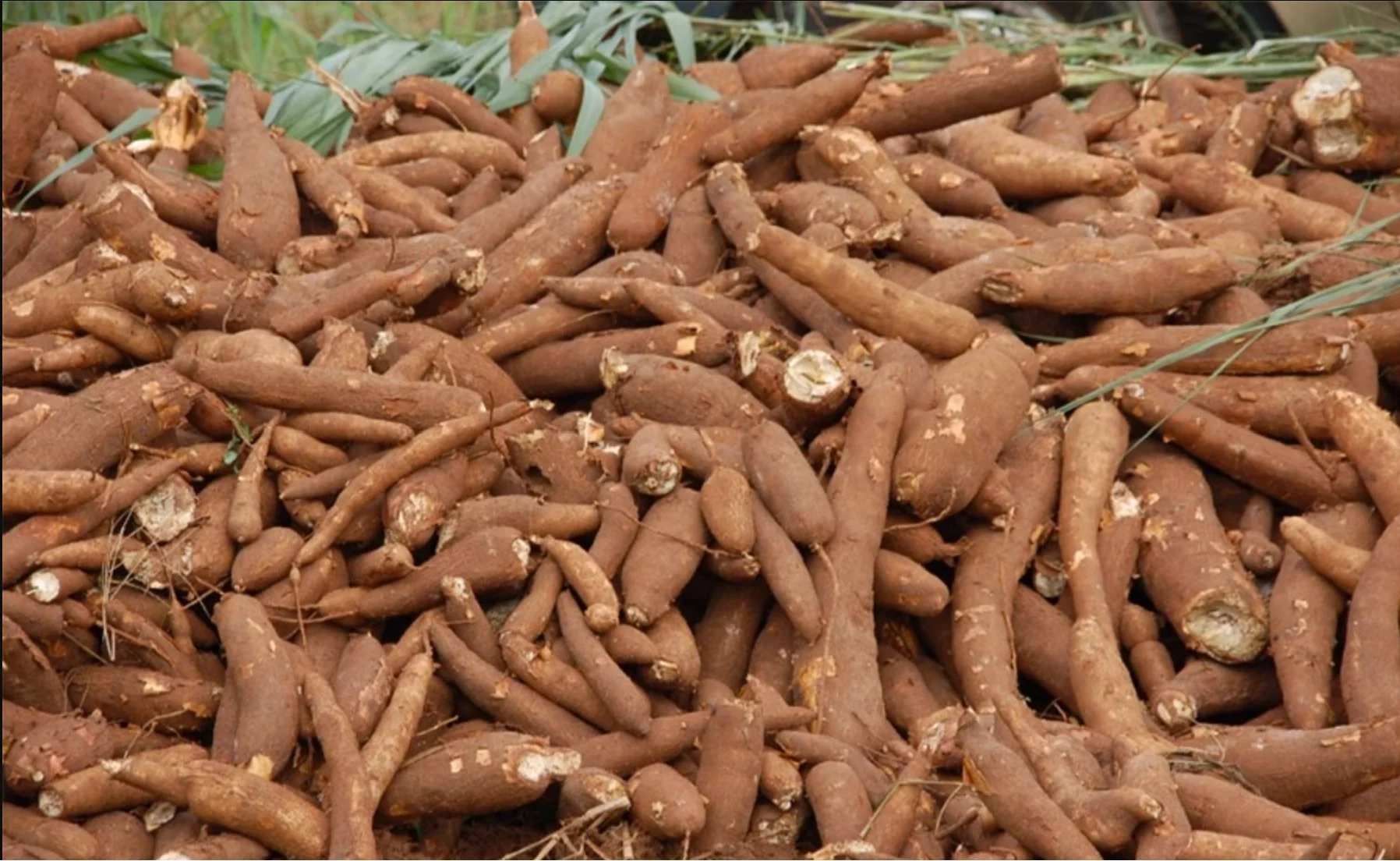
Nigeria stands as the undisputed global leader in cassava production, cultivating over 60 million tons annually. This resilient root crop, a staple food across Africa, holds immense promise for both food security and economic prosperity. However, despite its vast output, Nigeria currently lags significantly in the global export market, missing out on billions in potential revenue. Addressing the systemic challenges within its cassava supply chain is crucial for Nigeria to fully harness this “white gold” and claim its rightful place on the global stage.
Cassava: A Versatile Superfood with Historical Roots
Cassava, also known as Yuca, is far more than just a staple food. Its drought and pest resistance, coupled with its calorie-rich and vitamin C content, make it an invaluable crop, especially in regions prone to food insecurity. Areas that cultivate cassava extensively are often less susceptible to famine.
From Ancient Staple to Modern Commodity
Originally native to South America, indigenous communities in the Amazon basin discovered processing methods over 4,000 years ago to safely consume the raw root, which naturally contains cyanide compounds. Portuguese colonizers introduced cassava to Africa in the 16th century, and its cultivation was further propelled by formerly enslaved Africans returning to Nigeria from Brazil in the 1850s, bringing with them diverse cooking techniques.
Why Cassava Thrived in Africa
Resilience: Thrives in poor, acidic soils with less fertilizer and water.
Accessibility: Cheaper to grow compared to more delicate crops like corn or wheat.
Heartiness: Its robust nature made it a key tool in preventing famine.
Over centuries, cassava replaced indigenous foods, becoming a primary calorie source. In Nigeria, traditional preparations like Fufu and Gari remain central to the diet, with Gari’s fermentation process lending itself to longer preservation.
The Nigerian Cassava Paradox: Production vs. Export
Despite Nigeria’s massive production, most of its cassava never leaves the country. In 2021, Nigeria earned a mere $1 million from cassava exports, starkly contrasting Thailand’s $1.3 billion from less than half the production volume. This discrepancy highlights profound inefficiencies and bottlenecks within Nigeria’s cassava value chain.
Key Challenges Facing Nigerian Cassava Farmers
1- Small-Scale Farming: Most farmers operate on small plots, preventing economies of scale.
2- Low Yields: Inefficient farming practices, reliance on poor soil, and lack of machinery lead to some of the world’s lowest yields per acre.
3- Limited Mechanization: Uneven terrain often precludes the use of tractors, forcing manual harvesting.
4- Low Earnings: Many cassava farmers still earn less than $1 a day due to these inefficiencies.
A Visionary Solution: Revolutionizing the Supply Chain
Yemisi Iranloye, CEO of Soltree International, is at the forefront of transforming Nigeria’s cassava industry. Recognizing the challenges, she embarked on an ambitious mission to redefine how cassava is grown, processed, and marketed.
Empowering Farmers and Boosting Productivity
Iranloye’s strategy began on the farm. By grouping farmers, she facilitated collective land cultivation, allowing them to expand from individual acres to an average of 20 acres. Her head of agriculture introduced higher-yielding cassava varieties with superior starch content. Furthermore, the strategic introduction of tractors on some farms has accelerated harvesting by 150%.
Crucially, Soltree International directly engages with farmers, eliminating middlemen and offering nearly four times the open market price. This stability and increased income have significantly improved farmers’ livelihoods, moving them from less than $1 to approximately $10 a day. Soltree’s network now encompasses 10,000 farmers, a testament to the success of this model.
Overcoming Processing Hurdles: Proximity is Key
The highly perishable nature of cassava, which spoils within 48 hours of harvest due to its 75% water content, has historically been a major obstacle. With processing plants often hundreds of miles from farms, spoilage rates were as high as 40%, costing the country significant losses.
Iranloye’s innovative solution: **relocate the factories closer to the farms.** This seemingly counterintuitive move, placing factories away from urban centers and customers, dramatically reduced spoilage. Once processed into starch or flour, cassava becomes far more stable. Soltree International now processes an astounding 100 million kilograms of cassava annually.
Value Addition: From Root to High-Value Product
Beyond traditional Gari and Fufu, Soltree is pioneering the production of high-value cassava derivatives. While Aderonke Ajijola’s factory exemplifies traditional Gari production, Iranloye’s vision extends to:
1- Industrial Starches and Flours: Used in pastries, bread, noodles, and as ingredients for multinational corporations like Nestlé.
2- Tapioca Pearls: A key component for the booming bubble tea market.
3- Sorbitol: Nigeria’s first sorbitol factory, producing a sweetener that sells for over ten times the price of raw cassava. This sweetener is vital for products like toothpaste and mouthwash, currently largely imported from Asia.
Tapping into the Global Market
The global demand for cassava-based products is surging:
1- Sorbitol: The market for sugar-free products is driving demand for sweeteners like sorbitol.
2- Starch: Nigeria imports 95% of its starch, indicating massive domestic and export potential.
3- Cassava Flour: Rising wheat prices have increased interest in gluten-free cassava flour alternatives.
4- Ethanol: Cassava can be converted into ethanol for biofuel, vital for beer and wine making, and pharmaceutical products, potentially generating billions.
While Soltree has successfully secured major customers like Nestlé and Unilever and exports sorbitol, extending export reach for other products remains a challenge for the broader Nigerian industry.
Government Support: The Missing Link
Though the Nigerian government has made efforts to boost domestic cassava demand, experts emphasize the need for greater investment in export-oriented infrastructure and policy. Key areas for external support include:
1- Infrastructure Development: Building better roads near farms to facilitate transport.
2- Investment in Research: Supporting new cassava varieties and processing technologies.
3- Export Promotion: Creating policies and incentives that enable Nigerian producers to compete globally.
Yemisi Iranloye’s journey with Soltree International demonstrates that strategic investments in cassava can yield remarkable results. What was once discarded by farmers is now a high-demand crop, providing fair value and lifting communities out of poverty. By addressing its supply chain inefficiencies and amplifying value-added processing, Nigeria is poised to move from merely being the world’s largest cassava producer to becoming a dominant force in the global cassava market. The time to realize this potential is now.