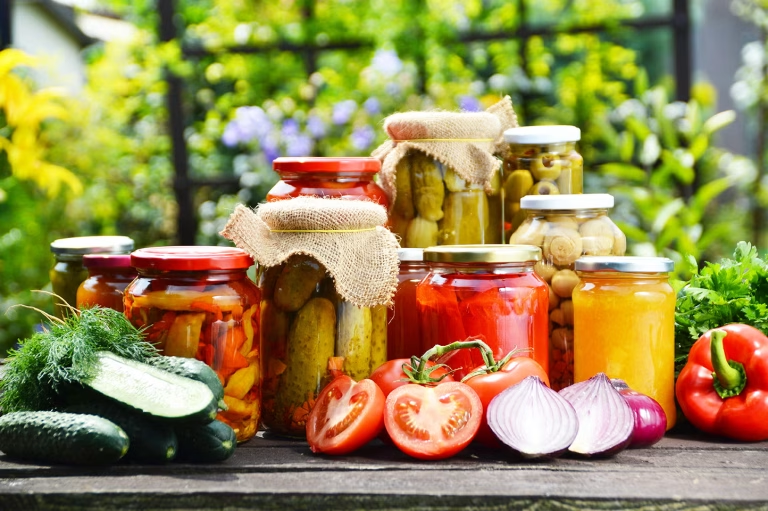
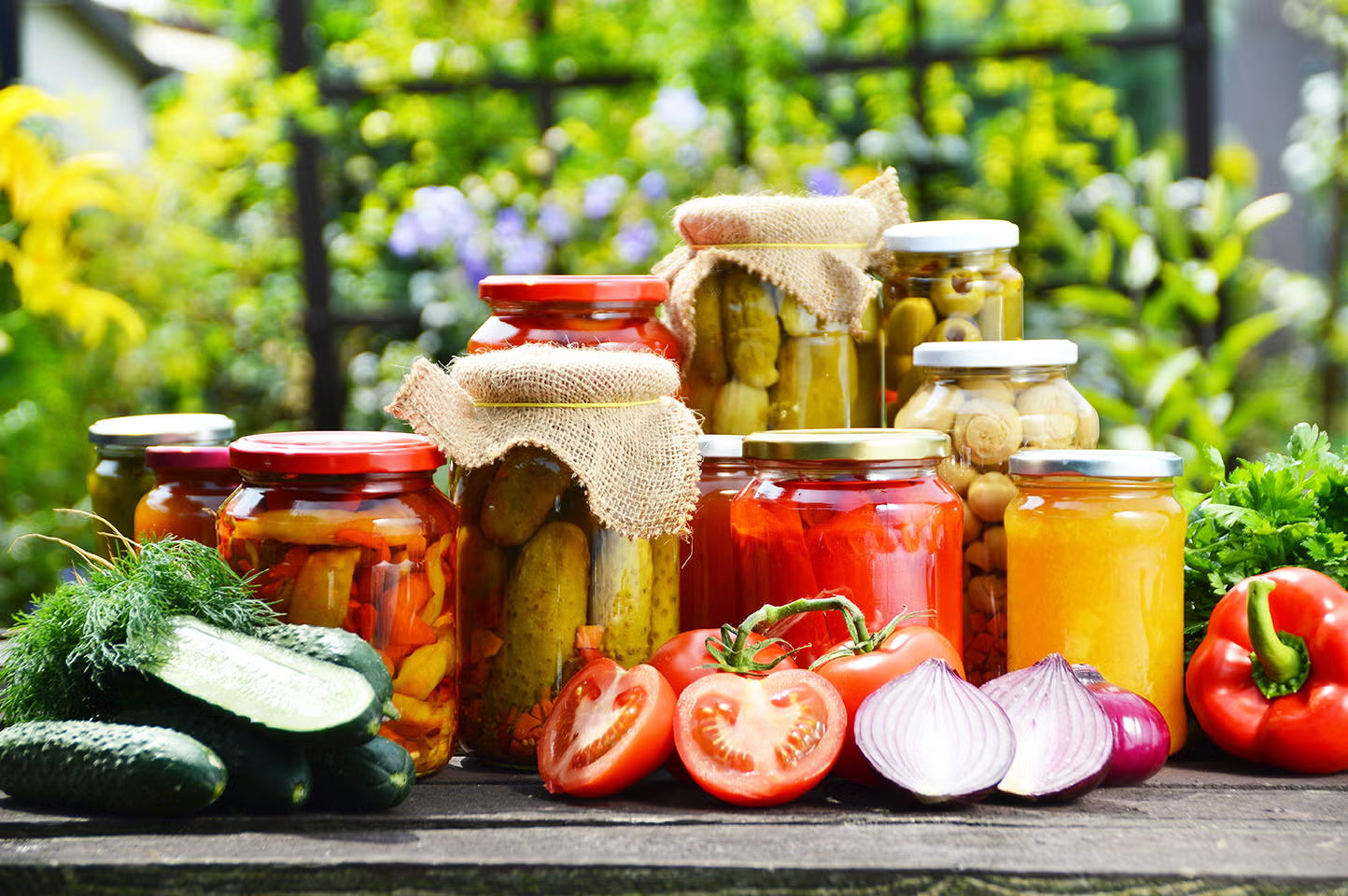

Food Preservatives play a vital role in keeping food safe, fresh, and edible for longer periods. From preventing microbial growth to slowing oxidation, food preservatives help reduce spoilage and extend shelf life. But what exactly are food preservatives, how do they work, and are they safe to consume?
Why Food Goes Bad
There are two major factors that cause food to spoil: microbes and oxidation.
Microbes such as bacteria and fungi invade food and feed on its nutrients. Some of these microorganisms can cause diseases, including listeria and botulism. Others simply turn edible food into a smelly, slimy, moldy mess.
Meanwhile, oxidation is a chemical change in a food’s molecules caused by enzymes or free radicals. This process can turn fats rancid and cause produce such as apples and potatoes to brown.
Preservatives help prevent both types of deterioration.
Preservatives That Fight Microbes
Before the invention of artificial refrigeration, fungi and bacteria could run rampant in food. As a result, people developed ways to create environments that were hostile to microbes.
Using Acidity to Preserve Food
One common method is making food more acidic. Increased acidity disrupts the enzymes that microbes need to survive.
Some types of bacteria can actually help with preservation. For thousands of years, people have preserved food using bacteria that produce lactic acid.
This acid transforms highly perishable vegetables and milk into longer-lasting foods such as:
- Sauerkraut in Europe
- Kimchi in Korea
- Yogurt in the Middle East
These cultured foods also help populate the digestive tract with beneficial microbes.
Synthetic Acid Preservatives
Many synthetic preservatives are acids as well, including:
- Benzoic acid in salad dressings
- Sorbic acid in cheese
- Propionic acid in baked goods
Are These Acids Safe?
Some studies suggest that benzoates, which are related to benzoic acid, may contribute to hyperactive behavior. However, the findings are not conclusive.
Aside from that concern, these acids generally appear to be safe.
Sugar and Salt as Preservatives
Another antimicrobial strategy involves adding large amounts of sugar or salt.
Examples include:
- Jam, which contains high levels of sugar
- Salted meats, which rely on salt preservation
Sugar and salt bind to water that microbes need in order to grow. They can also draw moisture out of microbial cells, effectively destroying them.
Of course, consuming too much sugar or salt can increase the risk of:
- Heart disease
- Diabetes
- High blood pressure
For that reason, foods preserved this way are best enjoyed in moderation.
Nitrates and Nitrites
Nitrates and nitrites are antimicrobial preservatives commonly found in cured meats. They help prevent the growth of the bacteria responsible for botulism.
However, they may come with potential health concerns.
Some studies linking cured meats to cancer have suggested that these preservatives could play a role, though the issue remains an area of ongoing research.
Preservatives That Prevent Oxidation
While some preservatives target microbes, others protect food from chemical changes that affect flavor, appearance, and quality.
Smoke: An Ancient Antioxidant
Smoke has been used for food preservation for thousands of years because many aromatic compounds found in wood smoke function as antioxidants.
Before refrigeration, combining smoking with salting was an effective method for preserving meat.
Modern Antioxidant Preservatives
For antioxidant protection without a smoky flavor, manufacturers use compounds such as:
- BHT
- Tocopherol (better known as Vitamin E)
Like the antioxidant compounds in smoke, these ingredients neutralize free radicals and help prevent rancid flavors from developing in foods such as:
- Oils
- Cheese
- Cereal
Preventing Browning in Fruits and Vegetables
Other antioxidants, including citric acid and ascorbic acid, help cut produce maintain its color.
They do this by interfering with the enzyme responsible for browning, helping fruits and vegetables stay visually appealing for longer.
Preservatives That Do Multiple Jobs
Some compounds can perform more than one preservation function.
Sulfites, for example, act as both:
- Antimicrobials
- Antioxidants
While sulfites may trigger allergy symptoms in some individuals, most antioxidant preservatives are generally recognized as safe.
Should You Be Worried About Preservatives?
So, should preservatives be a cause for concern?
In most foods, preservatives appear near the end of the ingredient list because they are used in very small amounts. These amounts are typically determined by regulatory agencies such as the FDA to be safe.
That said, some consumers and food companies continue to search for alternatives.
One approach involves packaging innovations, such as reducing the amount of oxygen surrounding food. These methods can help slow spoilage.
However, without some form of chemical assistance, very few foods can remain shelf-stable for extended periods.
For now, preservatives continue to play a critical role in keeping food safe, stable, and available long after it leaves the farm.