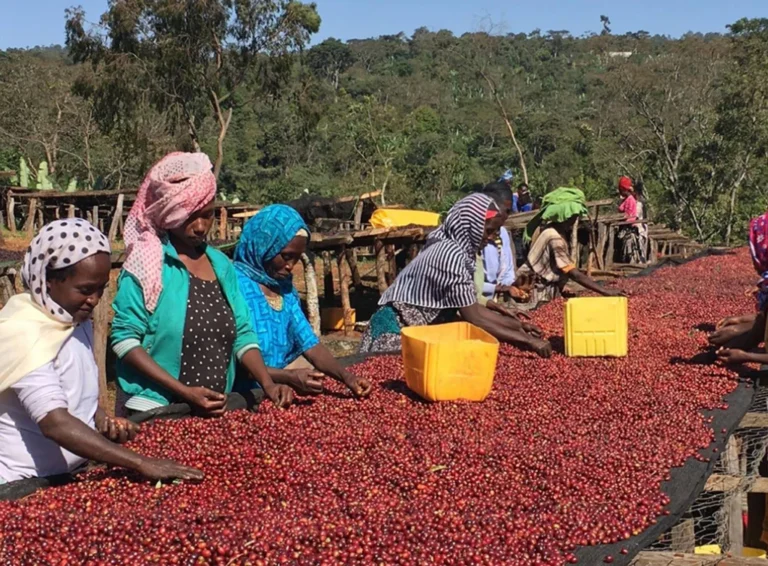
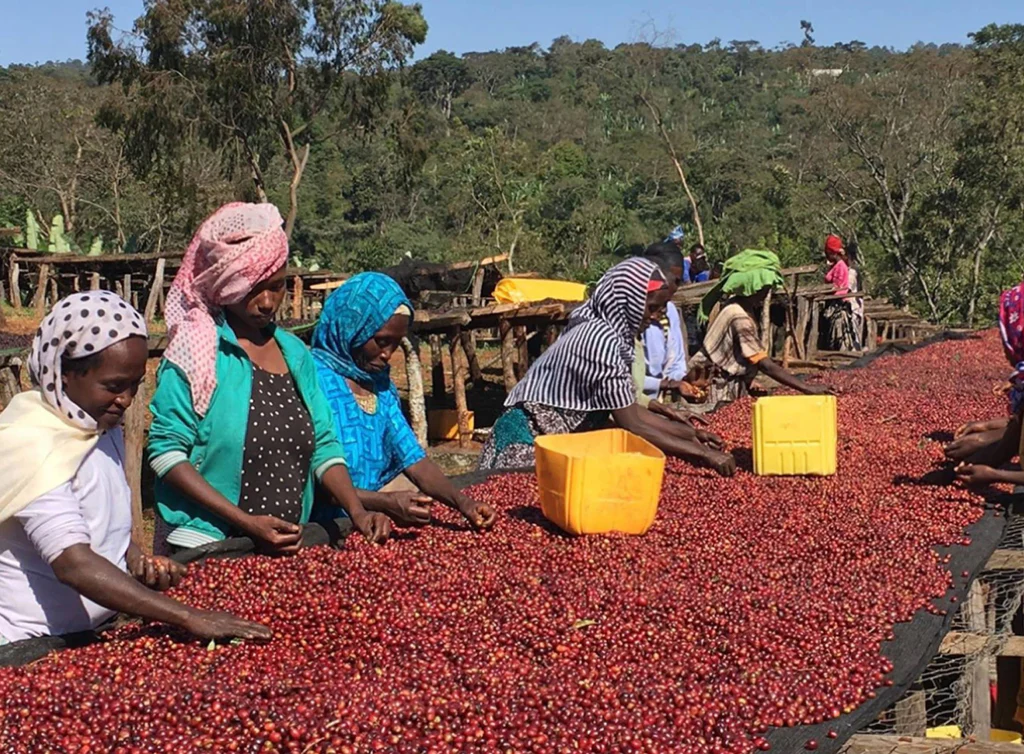

Coffee processing mistakes are one of the biggest reasons why otherwise healthy coffee cherries fail to become high-quality coffee. Even when farmers grow excellent coffee, mistakes made during harvesting, cleaning, fermentation, drying, and equipment management can create defects that reduce flavor, aroma, and market value. Understanding the most common coffee processing mistakes is essential for anyone who wants to produce consistent, specialty-grade coffee.
1. Harvesting Unripe Coffee Cherries
The first and perhaps most important mistake in coffee processing is failing to collect the ripest coffee cherries. High-quality coffee starts with high-quality raw material. If the harvested cherries are not fully ripe, it becomes extremely difficult to produce an excellent final product, regardless of how well the remaining processing steps are carried out. Careful cherry selection during harvesting lays the foundation for premium coffee quality.
2. Processing Coffee on Unclean Surfaces
Another common mistake is processing coffee on surfaces that are not sufficiently clean. Coffee is a fruit product, making it highly susceptible to environmental contamination. Microorganisms left behind on dirty processing surfaces can easily contaminate fresh coffee cherries, negatively affecting the quality of the final product. Maintaining clean processing areas helps minimize contamination and preserves coffee quality throughout production.
3. Failing to Clean Coffee Processing Equipment
Coffee processing equipment should always be cleaned thoroughly after use. Equipment such as:
- Pulpers
- Fermentation tanks
- Flotation channels
- Drying nets
must remain free of old coffee beans, mucilage, and other residues. If leftover coffee material is allowed to accumulate, it becomes a breeding ground for microorganisms that can cause over-fermentation and create undesirable off-flavors in the finished coffee. Proper equipment sanitation is essential for producing clean, high-quality coffee.
4. Drying Coffee Too Quickly
Although producers want to minimize the risk of over-fermentation and fungal development, drying coffee too rapidly can also create problems. The drying process should be managed carefully:
- Drying can be relatively fast during the initial stage.
- The middle stage should progress more slowly to allow proper flavor development.
- Drying can then accelerate again during the final stage.
If coffee dries too quickly throughout the entire process, the beans may not develop the complex flavors that producers aim to achieve. Balanced drying is one of the keys to producing exceptional specialty coffee.
Never Skip the Floating Process
Although it is not always highlighted as one of the primary mistakes, floating coffee cherries should always be part of the processing routine. Floating helps producers:
- Clean the surface of the cherries.
- Separate damaged or defective cherries.
- Select the healthiest cherries for processing.
This simple step greatly improves the quality and consistency of the final product.
The Long-Term Impact of Coffee Processing Mistakes
Many coffee producers focus heavily on farming practices but underestimate how much processing affects the final cup. Coffee processing mistakes can reduce sweetness, increase bitterness, create fermented or moldy flavors, and lower the commercial value of the coffee.
For example, harvesting too many green cherries often leads to dry, peanut-like flavors that are considered defects in specialty coffee. Processing coffee on dirty surfaces can introduce unwanted microorganisms that create off-flavors. Failing to clean pulpers, fermentation tanks, flotation channels, and drying beds allows old coffee residues to contaminate fresh coffee. Drying coffee too quickly can also prevent proper flavor development and result in uneven moisture content.
By paying attention to each processing step, producers can reduce defects, improve consistency, and increase the likelihood of achieving specialty-grade quality. Preventing coffee processing mistakes is often more valuable than trying to fix defects after processing has already gone wrong.
Final Thoughts
Coffee processing mistakes can be prevented through careful harvesting, proper sanitation, thorough equipment cleaning, controlled drying, and consistent floating of coffee cherries. When producers avoid these common coffee processing mistakes, they improve flavor quality, reduce defects, and create coffee that meets higher specialty standards and earns better market prices.