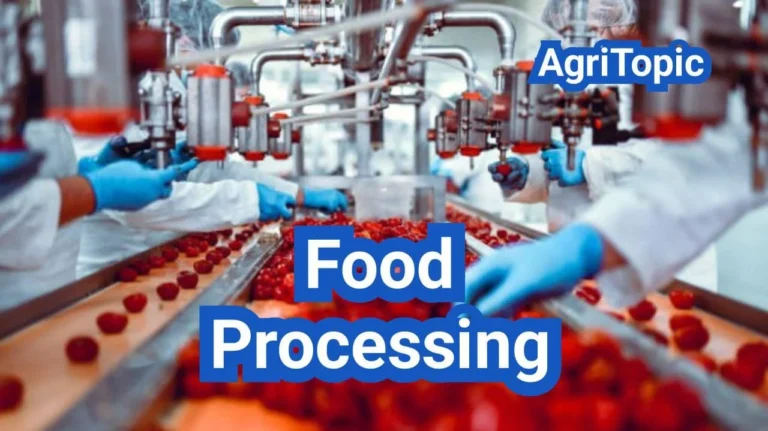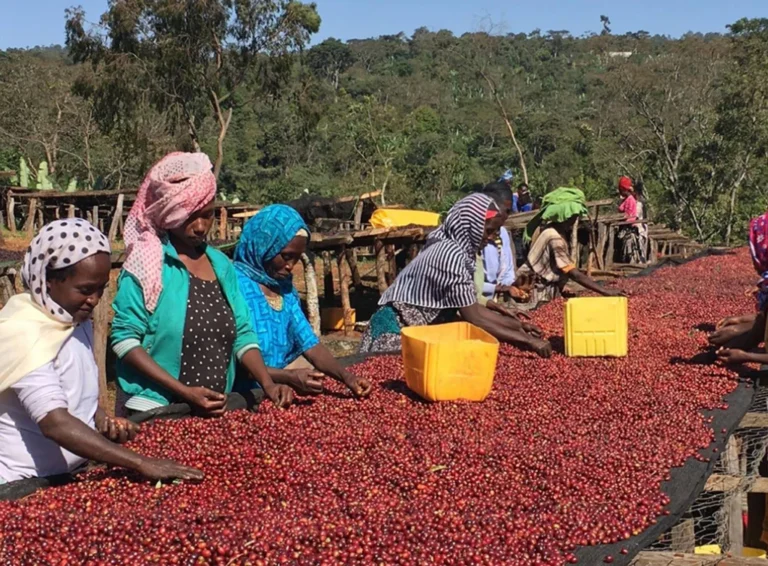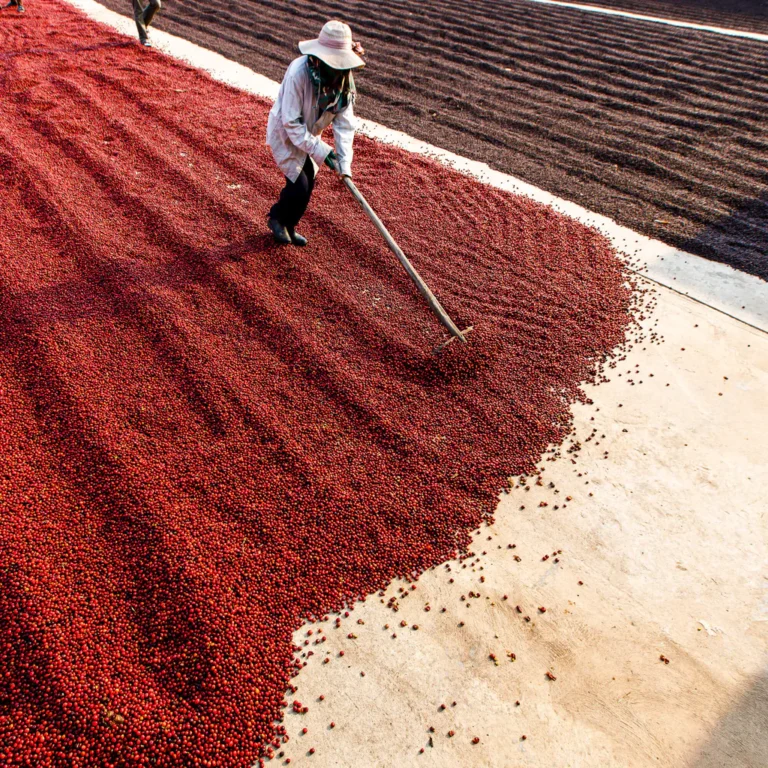

Value Added Agriculture is the key to higher farm profits. It is one of the most effective ways for farmers to increase income without buying more land or raising more livestock. Instead of simply producing raw agricultural products, farmers can create additional value through processing, packaging, collaboration, agritourism, and customer-focused services. As consumer preferences continue to shift toward convenience, quality, and unique farm experiences, value-added agriculture is becoming one of the fastest-growing opportunities in the modern food industry.
In this article, we’ll explore practical examples of value-added agriculture, real-life success stories, and innovative strategies that help farms generate significantly more revenue from the same products.
1. The Rise of Integrity Convenience
Integrity convenience refers to food products that are both trustworthy and convenient to consume.
Examples include:
– Snack sticks
– Frozen heat-and-eat meals
– Pot pies
– Broths and stocks
– Ready-to-cook products
– Convenient snack foods
Consumer habits have changed dramatically over the past few decades. Today, approximately 30% of all food in America is eaten inside automobiles. Whether people are commuting to work, transporting children, or traveling long distances, convenience has become a defining factor in purchasing decisions.
Just look at the drive-through lines at fast-food restaurants. They’re consistently full because convenience matters. For farms and food businesses, this means adapting to changing consumer behavior rather than relying solely on traditional methods.
As the saying goes, “Nostalgia is wonderful. Nostalgia sells. It’s a great story—until you’re one day into obsolescence.” There is a fine line between preserving tradition and becoming outdated.
2. Value Addition Starts with Your Existing Products
One of the simplest ways to increase farm income is by adding value to products you already produce. Sometimes this doesn’t require growing more—it simply means presenting your products in a way that customers prefer.
A perfect example came from processing chickens. Initially, whole chickens were simply processed, frozen, and sold. Customers who wanted individual cuts were expected to process the birds themselves. Many no longer wanted to do that. Instead, they preferred products such as:
– Boneless skinless chicken breasts
– Wings
– Thighs
– Drumsticks
Consumer habits had changed. Years ago, many households routinely cut up whole chickens themselves. Today, many consumers have never learned that skill and prefer the convenience of ready-to-cook cuts.
Rather than resisting that change, adapting to customer preferences created remarkable results. The first year chicken was sold as individual cuts instead of whole birds generated an additional $20,000 in revenue without raising a single extra chicken.
Perhaps more importantly, it also created a large number of satisfied customers. That is the power of value-added farming.
3. Collaborating Instead of Doing Everything Yourself
Value addition doesn’t always require building your own processing facility. Sometimes collaboration produces even better results. For example, rather than producing broth in-house, one farm partnered with a soup company known as 100 Bowls of Soup. The farm supplied pallet loads of chicken necks and backs—parts that were previously considered low-value salvage.
The soup company transformed those ingredients into premium chicken broth and stock that retailed for approximately $10 per quart, allowing the farm to receive around **$2 per pound** for products that previously generated very little income. The farm wasn’t processing broth itself. Instead, it partnered with someone whose expertise complemented its own.
4. Every Part of the Animal Has Value
One of the greatest lessons in value-added farming is ensuring that every part of the animal generates income. Ground beef offers a classic example. Agricultural publisher Allan Nation once offered a piece of advice that continues to resonate: “If you can’t make your direct-market grass-finished beef program profitable on ground beef alone, don’t start.”
This advice highlights a common challenge. Many farms successfully sell premium steaks and roasts while allowing large quantities of ground beef to accumulate in frozen storage.
One Virginia company invested heavily in processing facilities and premium branding. They successfully sold their higher-end cuts but refused to lower prices on ground beef.
Over time, frozen inventory continued growing until approximately **one million pounds of ground beef** sat unsold in storage. Eventually, the business went bankrupt. The lesson is simple: Every part of the animal must be sold.
If certain cuts or products don’t sell easily, farmers should explore ways to transform them into products consumers actually want.
5. Turning By-Products into Profit
Many products traditionally considered waste can become significant income streams. For poultry farms, these include:
– Chicken feet
– Gizzards
– Necks
– Backs
– Stewing hens
Stewing hens, for example, become increasingly difficult to market as layer operations grow larger. Eventually, processing costs can exceed the value of the finished bird. Rather than accepting those losses, collaboration again provides opportunities. One partnership involved supplying stewing hens and gizzards to a pet food company that specializes in premium dog food.
Another opportunity emerged through growing consumer interest in traditional nutrition. Inspired by organizations promoting nutrient-dense foods, customers began requesting chicken feet. Initially, chicken feet sold for approximately 50 cents per pound, largely because they had previously been composted. Demand steadily increased. Prices rose to:
– $1.00 per pound
– $1.50 per pound
– $2.00 per pound
Demand remained strong despite each price increase. When combined with revenue from pet food ingredients, these once-discarded products now generate nearly gone additional dollar per chicken.
For farms processing approximately 40,000 chickens annually, that represents roughly **$40,000 in additional revenue** from products that previously generated almost nothing. Small improvements can create significant financial results.
6. New Products Open New Markets
Innovation often begins by solving inventory challenges. Hot dogs provide another excellent example. Difficulty selling enough ground beef inspired collaboration with another processor to develop premium hot dogs. Today, those hot dogs generate approximately $50,000 in annual sales.
Although they aren’t the farm’s primary product, they represent another profitable revenue stream. Value-added farming is rarely about one dramatic innovation. Instead, it is often a collection of smaller improvements that steadily increase profitability. A little here. A little there. Over time, those improvements add up.
7. Beyond Food: Creating Experiences Customers Will Pay For
Value addition extends far beyond food processing. Consumers today crave experiences just as much as products. There is a growing cultural desire for:
– Connections with farms
– Connections with nature
– Agricultural education
– Authentic food stories
This demand creates opportunities for collaboration with organizations that already attract these audiences.
Examples include:
– Eco-tourism groups
– Birdwatching clubs
– Conservation organizations
– Outdoor recreation groups
– Farm tour organizers
Hosting organized visits allows farms to charge admission while introducing visitors to their products. These events also strengthen customer relationships and generate valuable word-of-mouth marketing.
8. How Farm Tours Became a New Profit Center
Farm tours originally began as a practical solution rather than a business strategy. Visitors frequently arrived wanting to meet the farmer, making it difficult to complete daily work. An organized tour schedule solved the problem. Anyone wanting dedicated time with the farmer could simply attend a scheduled tour. Initially, the tours were completely free. Although every tour filled quickly, many registered visitors failed to attend.
Introducing a $10 non-refundable reservation fee dramatically reduced no-shows. Over time, ticket prices gradually increased to $20 per person. With approximately **12 tours each season**, each accommodating around 100 adults, ticket sales alone now generate approximately $24,000 annually.
The impact doesn’t stop there. Visitors also spend over $1,000 in the farm store during each tour, increasing total annual revenue by roughly $36,000. Because tours involve minimal direct costs, they also deliver exceptionally high profit margins. What began as a scheduling solution evolved into an entirely new business opportunity.
9. Farm-to-Table Dinners Are Another Growing Opportunity
Some farms have expanded even further by hosting monthly on-farm dinners. One North Carolina farm offers approximately eight dinners each season. Each event serves around 100 guests, with tickets priced at $50 per person. That’s:
– $5,000 per dinner
– Eight dinners annually
– Approximately $40,000 in revenue
Remarkably, these events often sell out within **24 hours** of tickets becoming available. Guests enjoy:
– Farm tours
– Educational presentations
– Fresh farm meals
– Family-friendly experiences
These events create memorable experiences while strengthening customer loyalty.
10. Collaboration Makes Everything Easier
One of the biggest misconceptions about hosting farm events is believing the farmer must do everything. In reality, successful collaboration distributes responsibilities among local experts. Potential partnerships include:
– Cheese-making instructors
– Yoga teachers
– Birdwatching clubs
– Culinary instructors
– Local chefs
– Artisan food producers
For example, one experienced cheesemaker teaches classes for approximately 12 participants paying $100 each. The instructor earns compensation for teaching. The farm receives a royalty for hosting the event.
Most importantly, participants typically shop in the farm store before leaving, purchasing around **$100 each** in farm products. The event itself becomes a platform that brings motivated customers directly to the farm. The collaboration benefits everyone involved.
Final Thoughts
Value-added agriculture is about much more than processing food. It involves identifying opportunities to maximize every product, reduce waste, collaborate with complementary businesses, and create memorable customer experiences. Whether through premium food products, farm tours, educational workshops, pet food partnerships, or on-farm dinners, every innovation builds upon the same principle: “Increase the value of what you already produce before trying to produce more.”
Consumers today are hungry for more than food. They are searching for authenticity, connection, education, and meaningful experiences. Farmers who recognize that demand—and creatively collaborate to meet it—can unlock entirely new revenue streams while building stronger, more resilient agricultural businesses.