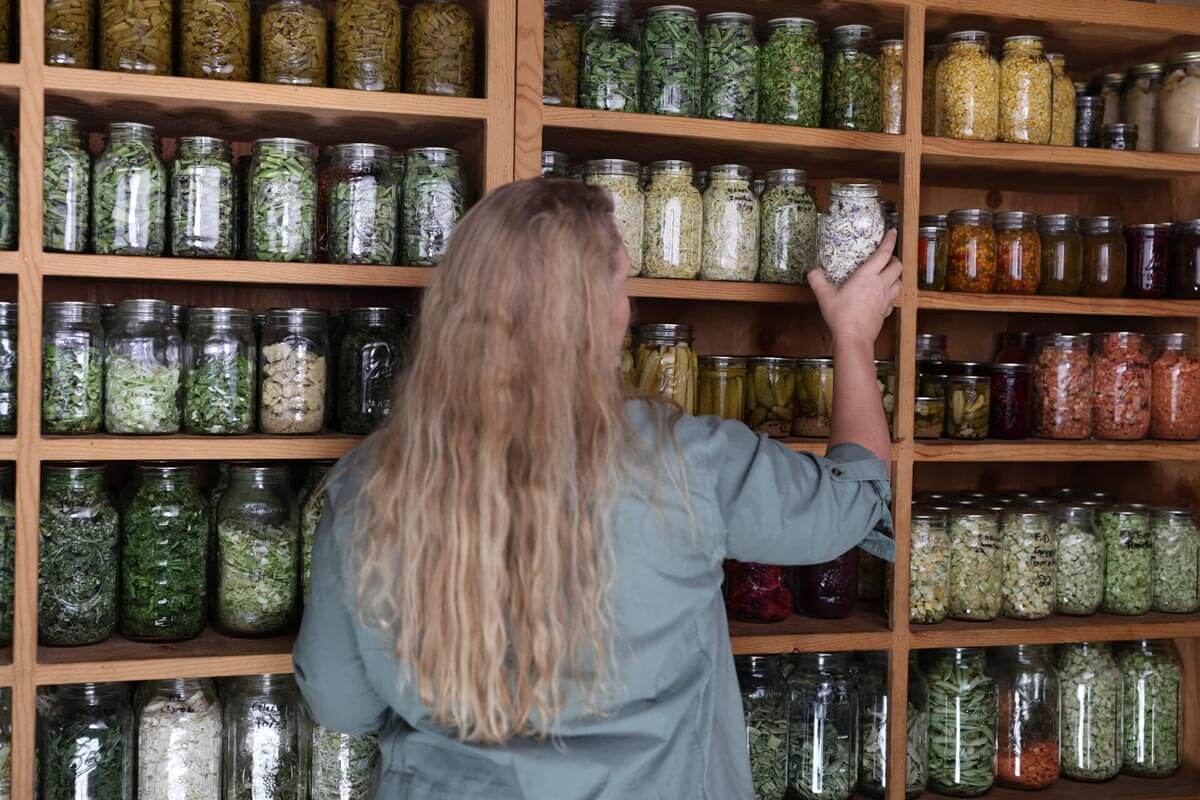

Pantry Tour 2024 offers a complete look inside a carefully organized home food storage system built around self-sufficiency, food preservation, and long-term preparedness. Over the past year, more than 1,630 jars of food were canned, dozens of freeze-dried ingredients were preserved, and an extensive collection of bulk pantry staples was organized to support a busy homestead lifestyle.
A well-stocked pantry is much more than shelves filled with food. It represents months of planning, gardening, harvesting, preserving, and organizing. Every jar, container, and storage bin reflects a commitment to reducing waste, making the most of seasonal abundance, and ensuring nutritious food is always available.
In this Pantry Tour 2024, you’ll get an inside look at the canning pantry, store pantry, warehouse storage room, and freeze-dryer room. From colorful jams and pickles to ready-to-eat meals in jars and long-term emergency food supplies, this tour showcases practical food storage strategies that any home preserver can learn from.
The Story Behind This Pantry
Before diving into the shelves themselves, it is worth appreciating the space that houses them.
The pantry was built primarily from reclaimed materials sourced from the ranch property. Old lumber from a cattle-sorting arena was carefully salvaged, planed, stained, and transformed into beautiful shelving. The result is a warm, rustic pantry that combines functionality with timeless charm.
The design was inspired by old-fashioned mercantile stores, creating a welcoming space where food preservation and storage take center stage. With wide wooden planks, reclaimed metal accents, and handcrafted shelving, the pantry itself has become an important part of the homestead’s story.
A Year of Food Preservation Success
The 2024 preserving season was one of the busiest and most productive years yet.
More than 1,630 jars were filled with fruits, vegetables, sauces, soups, stocks, meats, pickles, and specialty preserves. Along the way, many new recipes were tested, resulting in several exciting additions to the pantry shelves.
While traditional favorites remained staples, this year’s preserving efforts focused heavily on expanding variety and improving convenience through ready-to-eat meal jars.
Homemade Jams, Jellies, and Fruit Preserves
One of the most visually appealing sections of the pantry is the collection of jams and jellies.
This year included several unique recipes that added new flavors to the pantry.
Among the highlights were:
- Orange Mango Mint Jelly
- Apple Pepper Jam
- Cranberry Sauce
- Citrus Cantaloupe Butter
- Red Pepper Jelly
- Apple Butter
- Rhubarb Barbecue Sauce
- Blueberry Syrup
- Whole Canned Blueberries
The Orange Mango Mint Jelly was an unexpected favorite. Its bright citrus flavor and vibrant color made it stand out among the year’s preserves.
The Red Pepper Jelly also held special significance because it came from a cherished family recipe, proving that preserving food often carries memories along with flavor.
Homegrown Fruit Harvests Turned Into Pantry Staples
One of the most rewarding aspects of food preservation is transforming homegrown produce into shelf-stable foods.
After years of nurturing a developing food forest, the orchard finally produced enough fruit to support substantial preserving efforts.
Fresh cherries harvested directly from the property were transformed into rich cherry pie filling, while strawberries, rhubarb, aronia berries, and plums became delicious jams and jellies.
The ability to preserve food grown at home creates a deeper connection to the food itself and highlights the long-term value of planting fruit trees and perennial crops.
Why Canning Rings Are Removed During Storage
A common question among home canners concerns the absence of canning rings on stored jars.
The reason is simple: safety.
Once a jar has sealed properly, the lid remains secure because of the vacuum created during the canning process. Leaving rings on jars during storage can sometimes create the appearance of a seal when one does not actually exist.
Removing rings allows each seal to be checked visually and physically, reducing the risk of storing spoiled food.
This small habit is one of the simplest ways to improve food safety in a home canning pantry.
Meals in a Jar: The Most Valuable Addition of the Year
Perhaps the most practical innovation during the 2024 preserving season was the addition of complete meals in jars.
Traditionally, many home preservers focus on storing ingredients. While ingredient canning remains valuable, having fully prepared meals available has proven incredibly convenient.
This year’s pantry includes:
- Vegetable Soup
- Beef Stew
- Bean Soup
- Pea Soup
- Chili
- Turkey Soup
- Beef Soup
- Pork and Beans
These ready-to-eat meals simplify busy weeknights and reduce cooking time without sacrificing quality or nutrition.
The success of these meal jars has ensured they will remain a permanent part of future preserving plans.
Storing Home-Canned Meats and Stocks
Beyond prepared meals, the pantry also contains substantial quantities of:
- Ground Beef
- Pork
- Chicken
- Turkey
- Turkey Stock
Home-canned meats provide tremendous flexibility in meal preparation. They can be quickly added to soups, casseroles, stews, tacos, and countless other recipes.
The turkey stock, made by simmering turkey carcasses for approximately 24 hours before canning, produces a rich and flavorful foundation for homemade soups.
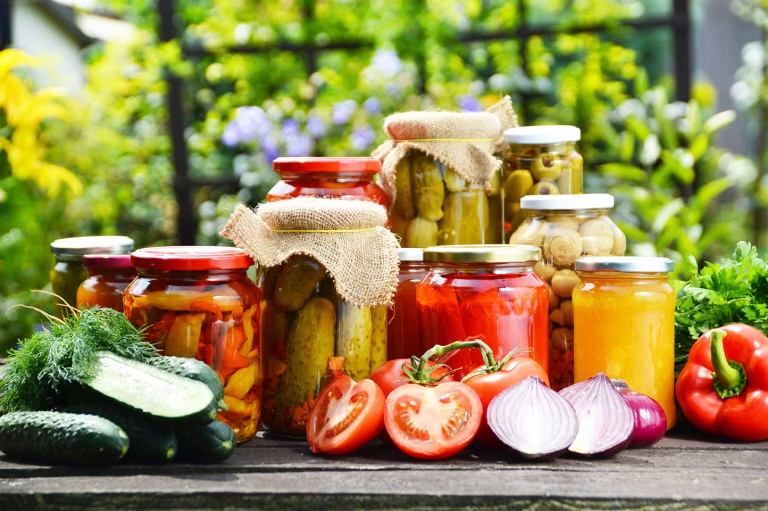
Pickles, Relishes, and Fermented Favorites
No pantry tour would be complete without highlighting the colorful pickled products that line the shelves.
This section includes:
Bread and Butter Pickles
Sweet, tangy, and perfect alongside sandwiches.
Dill Pickles
A traditional favorite that remains a staple year after year.
Pickled Asparagus
An unexpectedly delicious preserve that pairs wonderfully with toast and cheese.
Pickled Beets
Perhaps one of the most visually stunning foods in the entire pantry.
Cinnamon Pickled Carrots
A unique combination that balances sweetness, spice, and acidity.
Dilly Beans
Packed with garlic, dill, and flavor.
Cowboy Candy
Sweet pickled peppers that work beautifully on pizzas, salads, sandwiches, and charcuterie boards.
The vibrant colors of these preserved vegetables create one of the most attractive sections of the pantry while also providing exceptional flavor and variety throughout the year.
Pantry Shelves Dedicated to Tomato Preservation
Tomatoes dominated much of the preserving season.
Entire shelves were devoted to:
- Diced Tomatoes
- Tomato Sauce
- Pizza Sauce
- Enchilada Sauce
- Chili Base
- Sloppy Joe Mix
- Spaghetti Sauce
- Tomato Juice
One particularly successful addition was a homemade chili base that simplifies meal preparation while retaining homemade flavor.
Having multiple shelves of tomato products ensures a steady supply of ingredients for dozens of recipes throughout the year.
Freeze-Dried Herbs and Culinary Ingredients
Another standout area of the pantry is the herb and seasoning collection.
Many herbs were grown directly in the garden before being freeze-dried and stored.
These include:
- Basil
- Parsley
- Dill
- Mint
- Sage
- Green Onions
- Chamomile
- Kale Powder
Freeze-drying preserves both flavor and aroma remarkably well. Opening a jar months later often feels like stepping back into summer.
Tomato powder, made from freeze-dried tomato skins and seeds, was another successful experiment. It serves as a versatile seasoning and can even be reconstituted into tomato paste when needed.
The Store Pantry: Bulk Food Storage at Its Best
Living far from major shopping centers makes bulk purchasing essential.
The store pantry contains a carefully organized collection of staples, including:
- Rice
- Quinoa
- Couscous
- Flour
- Oats
- Sugar
- Salt
- Beans
- Vinegars
- Oils
- Peanut Butter
- Coconut Milk
- Tuna
- Baking Supplies
Buying in bulk reduces shopping trips, lowers costs, and ensures important ingredients are always available.
For families interested in preparedness and self-sufficiency, bulk food storage remains one of the most effective strategies for long-term food security.
Creating a Dedicated Warehouse for Food Storage
One of the biggest improvements in Pantry Tour 2024 is the addition of a warehouse room.
Originally a spare bedroom, the space was transformed into a dedicated storage area complete with heavy-duty shelving.
The warehouse now houses:
- Canning Supplies
- Extra Pantry Inventory
- Kitchen Equipment
- Medical Supplies
- Emergency Preparedness Gear
- Household Necessities
This expansion has significantly improved organization and made it easier to manage larger food inventories.
Long-Term Food Storage with Freeze-Drying
The final stop on this Pantry Tour 2024 is the freeze-dryer room.
Freeze-drying has become an increasingly important preservation method because it offers exceptional shelf life while maintaining food quality.
Current freeze-dried foods include:
- Garlic Scapes
- Leeks
- Pears
- Squash
- Zucchini
- Tomatoes
- Herbs
Unlike traditional canning, freeze-dried foods retain much of their original texture, flavor, and nutritional value.
When stored correctly, professionally packaged freeze-dried foods can last up to 25 years, making them an excellent option for emergency preparedness and long-term storage.
Final Thoughts
Pantry Tour 2024 demonstrates what can be accomplished through consistent gardening, preserving, and food storage efforts over the course of a year.
From over 1,600 jars of home-canned food to freeze-dried ingredients, bulk pantry staples, and emergency food reserves, every shelf reflects a commitment to self-reliance and reducing dependence on frequent grocery shopping.
Whether you’re interested in home canning, freeze-drying, pantry organization, or long-term food storage, the ideas showcased here provide valuable inspiration for building a pantry that supports your family’s needs throughout the year.
A well-stocked pantry is not simply about storing food—it is about preserving abundance, reducing waste, saving money, and creating peace of mind for the future.