
How to preserve vegetables naturally is a question many gardeners, homesteaders, and families ask when they have an abundant harvest. For generations, communities around the world have used traditional food preservation methods to extend the shelf life of vegetables without relying on refrigeration or modern storage technologies.
Learning how to preserve vegetables naturally can help reduce food waste, save money, and ensure a reliable supply of nutritious food throughout the year. One of the most effective techniques involves drying vegetables properly, storing them in airtight containers, and rehydrating them when needed for cooking.
After receiving many questions about our traditional preservation practices, we decided to share exactly how to preserve vegetables naturally, from harvesting and drying to packaging, storage, and cooking. This method has been used for generations and continues to be one of the simplest and most effective ways to preserve leafy vegetables for long-term use.
Understanding the Vegetables Being Preserved
Many viewers often ask about the vegetables used in this preservation process, especially the smaller leafy varieties.
The vegetables featured include:
1. Black Nightshade (Managu)
Black nightshade is a highly nutritious traditional vegetable widely consumed in many African communities. It is rich in vitamins, minerals, and antioxidants, making it a valuable addition to a healthy diet.
2. Kale (Sukuma Wiki or Green Collards)
Kale is another nutrient-dense vegetable commonly grown in home gardens. Its versatility and nutritional value make it one of the most popular vegetables for preservation.
Although both vegetables can be preserved using the same method, today’s demonstration focuses primarily on black nightshade because many people have requested to see how it is dried, stored, and cooked.
Why Proper Drying Is the Most Important Step
The success of vegetable preservation depends heavily on one factor:
Complete Dryness
No matter how good your storage containers are, vegetables that still contain moisture are likely to spoil.
Moisture creates an environment where mold, bacteria, and contamination can develop. Once this happens, an entire batch of preserved vegetables can be ruined.
This is why the vegetables are left under the sun until they become completely dry.
When properly dried, the vegetables become:
- Crisp
- Crunchy
- Brittle
- Lightweight
A simple test is to gently handle the vegetables. Properly dried vegetables often produce a cracking sound when touched.
If there is any doubt, it is always better to allow them to dry longer than risk storing them with moisture.
As we often say:
Dried vegetables do not like moisture.
The Traditional Drying Process
The vegetables used in this preservation method undergo several important stages before they are ready for storage.
Harvesting
The process begins with harvesting healthy vegetables from the garden.
Sorting
After harvesting, vegetables are sorted carefully. Mixed vegetables are separated according to their varieties to ensure consistency during storage and cooking.
Cleaning
The vegetables are thoroughly cleaned to remove dirt and unwanted materials.
Brining
The vegetables are then brined, a traditional step that helps prepare them for drying and preservation.
Sun Drying
After brining, the vegetables are spread on drying surfaces and exposed to sunlight until they become completely dry.
This natural drying process removes moisture while preserving much of the vegetable’s nutritional value.
A Look at Sustainable Gardening Practices
While waiting for the vegetables to finish drying, it is worth highlighting some of the gardening practices that make this preservation method possible.
Growing food requires patience and commitment.
Before vegetables can be preserved, they must first be cultivated, maintained, and harvested.
The gardening practices used include:
- Organic growing methods
- Mulching
- Weed control
- Soil improvement
- Seed saving
- Crop management
These methods help produce healthy vegetables suitable for long-term preservation.
Why We Use Mulching Instead of Constant Digging
One gardening technique that has proven particularly useful is mulching.
Instead of constantly digging around plants, mulch is applied around crops to protect the soil.
Benefits of Mulching
Mulching offers several advantages:
Moisture Retention
Mulch helps the soil retain water for longer periods, reducing the need for frequent watering.
Weed Suppression
By covering the soil, mulch limits weed growth and reduces competition for nutrients.
Improved Soil Health
As mulch decomposes, it gradually turns into humus, enriching the soil naturally.
Temperature Regulation
Mulch protects plant roots from excessive heat and helps maintain a stable growing environment.
These benefits contribute significantly to healthier vegetable production.
An Incredible Advantage of Drying Vegetables
One of the most fascinating aspects of this preservation method is the reduction in storage space.
Fresh vegetables contain a large amount of water.
Once dried, their size decreases dramatically.
Vegetables that once filled an entire sack can often fit into a small container after drying.
This allows families to preserve large quantities of food without requiring extensive storage space.
In essence, an entire garden harvest can be condensed into a few containers.
How to Package Dried Vegetables Properly
Once the vegetables are completely dry, packaging becomes the next critical step.
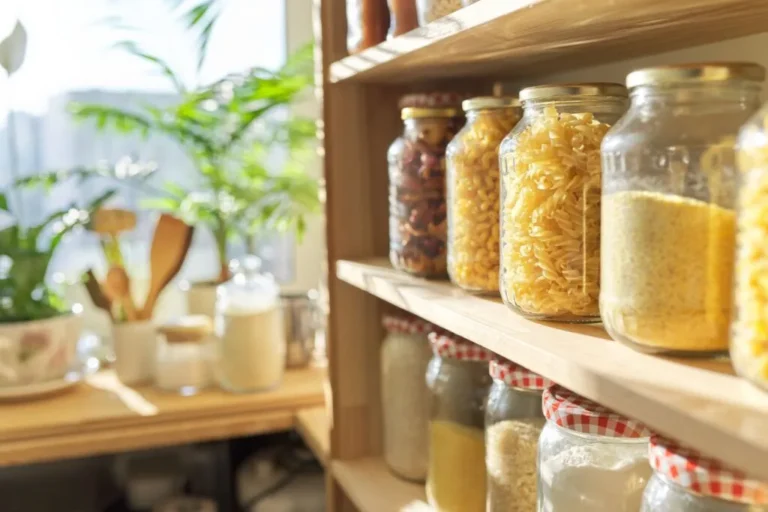
Traditionally, families stored dried vegetables in large metal containers or sealed storage vessels.
Today, airtight containers provide an excellent alternative.
Packaging Guidelines
Before packaging, ensure:
- Vegetables are fully dry
- Containers are clean
- Storage containers have airtight seals
The vegetables are carefully placed into containers without crushing them excessively.
The containers are then sealed tightly to prevent moisture and air from entering.
Proper sealing is essential for successful long-term storage.
Why Labeling Your Preserved Vegetables Matters
Labeling is a simple but important habit.
Every container should include:
Contents
Clearly state the type of vegetable stored.
Packaging Date
Record the date the vegetables were packaged.
This helps track storage periods and makes inventory management easier.
Proper labeling becomes especially useful when preserving multiple types of vegetables throughout the year.
Bringing Dried Vegetables Back to Life
One of the most impressive parts of this preservation process occurs during preparation.
When dried vegetables are soaked in water, they begin absorbing moisture almost immediately.
The transformation can be remarkable.
Vegetables that appeared small and brittle often expand significantly during rehydration.
Many people are surprised by how much volume returns after soaking.
This is one reason dried vegetables remain such a practical food preservation option.
A small amount of dried vegetables can produce a generous meal.
Traditional Cooking Method for Dried Black Nightshade
After soaking, the vegetables are ready to cook.
For today’s meal, black nightshade was prepared using a traditional cooking method.
The ingredients included:
- Homemade ghee
- Onions
- Tomatoes
- Salt
- Coriander
- Rehydrated black nightshade
The cooking process is straightforward.
The onions are first sautéed in ghee, followed by tomatoes and seasonings.
Water is added, and once the mixture begins to boil, the soaked vegetables are introduced.
The vegetables absorb the flavors while retaining their vibrant green color.
One of the most surprising observations is that properly preserved black nightshade looks remarkably similar to fresh vegetables after cooking.
Many people cannot easily distinguish between freshly harvested and properly preserved black nightshade.
The Role of Homemade Ghee in Traditional Cooking
Another important element of the meal is homemade ghee.
Ghee has long been used in traditional cooking and remains popular in many households.
Beyond its rich flavor, homemade ghee serves multiple purposes:
- Cooking
- Frying
- Enhancing aroma
- Improving texture
The process of making ghee also produces additional by-products that can be consumed rather than wasted.
This reflects an important principle of traditional living:
Minimize Waste
Every available resource is utilized efficiently.
How Long Can Dried Vegetables Be Stored?
One of the most common questions concerns storage duration.
When properly:
- Dried
- Packaged
- Sealed
- Stored
Dried vegetables can last for up to one year or even longer under favorable conditions.
The most important requirement is keeping them dry throughout the storage period.
Storage Tips
Store preserved vegetables in:
- Airtight containers
- Dry rooms
- Cool storage areas
- Shelves protected from moisture
Avoid:
- Wet environments
- Direct exposure to water
- Poorly sealed containers
The secret to successful long-term storage is surprisingly simple:
Keep them dry.
Benefits of Traditional Vegetable Preservation
There are many advantages to preserving vegetables using traditional drying methods.
Reduces Food Waste
Excess harvests can be preserved instead of discarded.
Saves Money
Families can store food during periods of abundance and reduce future food expenses.
Increases Food Security
Preserved vegetables provide a reliable food source during dry seasons and difficult times.
Preserves Nutrition
Properly dried vegetables retain much of their nutritional value.
Requires Minimal Equipment
The process relies primarily on sunlight, clean containers, and proper handling.
Supports Sustainable Living
Traditional preservation methods promote self-sufficiency and responsible food management.
Final Thoughts
Traditional vegetable preservation remains one of the most practical and sustainable ways to reduce food waste and maintain a reliable food supply throughout the year.
From growing vegetables organically to drying, packaging, storing, and eventually cooking them, every step contributes to a healthier and more self-sufficient lifestyle.
The process may appear simple, but its benefits are significant.
With proper drying and storage, vegetables such as black nightshade and kale can remain available long after the harvest season has ended.
Perhaps the most remarkable aspect of this method is seeing dried vegetables come back to life when soaked and cooked. Their flavor, color, and usefulness make them an invaluable part of traditional food preservation practices.
If you have a surplus harvest in your garden, consider preserving it rather than allowing it to go to waste. With a little patience and proper storage, you can enjoy nutritious vegetables for months to come.
Food preservation is not only about storing food—it is about preserving resources, traditions, and self-reliance for future generations.