
Coffee Processing Techniques play a vital role in determining the flavor, quality, and characteristics of every coffee bean. By understanding the three main layers of the coffee fruit, the skin, mucilage, and parchment, coffee producers can choose the most suitable processing method. Whether using the natural, honey, or washed process, each technique influences drying, microbial activity, and the final cup profile
Understanding the Structure of a Coffee Bean
When analyzing a coffee bean, three primary layers can be clearly identified:
-The Skin (Outer Layer): The outermost layer of the coffee cherry contains a high percentage of water and is where much of the caffeine is concentrated.
– The Mucilage (Fruit Layer): Beneath the skin lies the sticky fruit layer known as the mucilage. This layer is rich in carbohydrates and pectins, which play an important role during fermentation and influence the coffee’s final flavor.
– The Parchment: The parchment is the protective layer surrounding the coffee seed. It serves as a natural barrier that protects the endosperm until the coffee is dried and milled.
These three layers determine which coffee processing methods can be used and how the coffee develops throughout processing.
Why Coffee Processing Methods Matter
The primary difference between coffee processing methods is the amount of the coffee fruit that remains attached to the seed during drying. Depending on the desired outcome, producers may remove or retain different layers of the coffee cherry. These choices influence:
– Drying time
– Microbial activity during processing
– Fermentation behavior
– Flavor development
– Aroma
– Overall cup quality
Choosing the appropriate coffee processing method is therefore an important decision for coffee producers seeking specific flavor characteristics.
Natural Coffee Processing Method
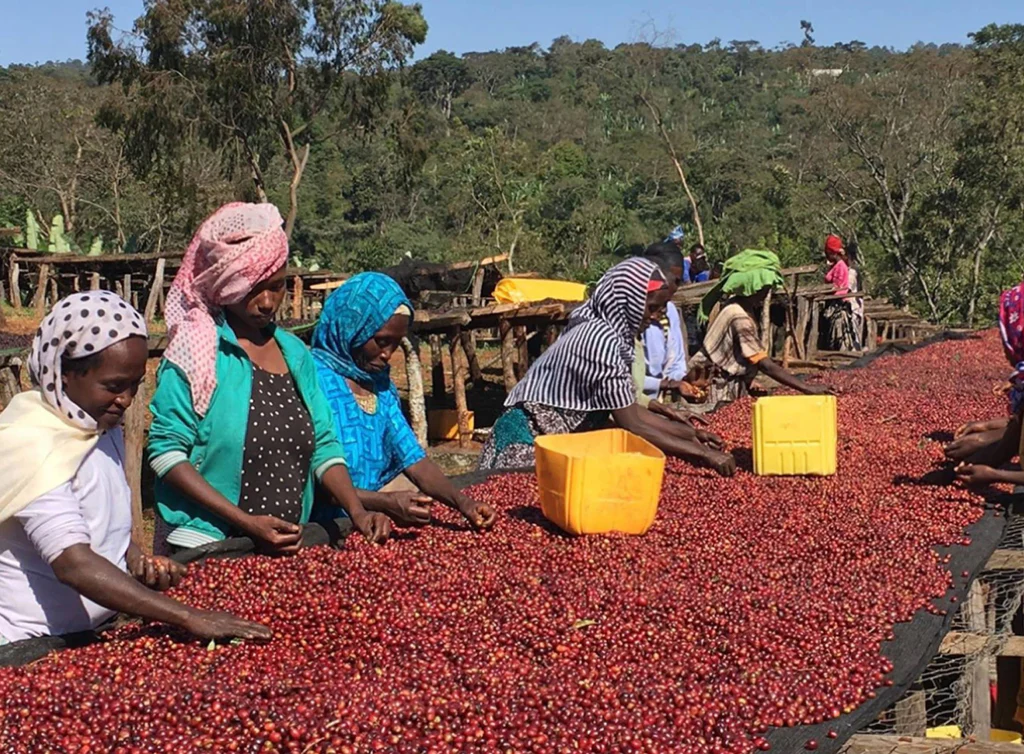
In the natural coffee processing method, the coffee cherries are dried with all of their outer layers intact. The skin, mucilage, and parchment remain around the coffee seed throughout the drying process. Because the entire fruit stays attached, drying generally takes longer, and the interaction between the fruit and the seed contributes to the coffee’s unique characteristics.
Natural processing is one of the oldest coffee processing methods and relies on drying the whole coffee cherry before the outer layers are removed.
Pulped Natural and Honey Coffee Processing Methods
Another group of coffee processing methods includes pulped natural and honey processing. With these methods, the outer skin is removed while some or all of the mucilage remains attached to the coffee seed.
As the coffee dries, the remaining mucilage gradually oxidizes, causing it to develop a different color. Because the sticky fruit layer remains during drying, these processing methods create different conditions for fermentation and microbial activity compared to natural or washed coffee. The amount of mucilage left on the seed can influence the coffee’s final flavor profile and overall quality.
Washed Coffee Processing Method
The washed coffee processing method removes the mucilage from the coffee seed during processing. By removing the fruit layer before drying, producers obtain a much cleaner coffee bean. This process results in a coffee seed that retains only the protective parchment until the final stages of milling.
Washed coffee processing is widely used because it produces a clean and consistent final product while reducing the amount of fruit material present during drying.
How Coffee Processing Methods Affect Coffee Quality
Although each coffee processing method follows a different approach, they all share one important principle: the layers surrounding the coffee seed determine how the coffee develops. The amount of skin and mucilage left on the seed influences:
– Drying efficiency
– The activity of microorganisms
– Fermentation dynamics
– Flavor development
– The overall sensory characteristics of the finished coffee
For this reason, coffee producers carefully select coffee processing methods based on the flavor profile and quality they want to achieve.
Choosing the Right Coffee Processing Method
Every coffee processing method offers distinct advantages depending on production goals and environmental conditions.
Natural processing retains all the fruit around the seed, pulped natural and honey processing leave portions of the mucilage intact, while washed processing removes the fruit layers to produce a cleaner coffee bean. Understanding these differences allows producers to select the processing technique that best supports their desired quality standards.
Ultimately, successful coffee processing methods depend on understanding the structure of the coffee cherry and carefully managing each stage of production. By choosing the appropriate processing method, producers can influence drying behavior, microbial activity, and the final flavor profile, resulting in coffee that meets both market expectations and consumer preferences.